What I Learned the Hard Way About Food Combos and Daily Health
I used to think eating healthy was just about choosing the right foods—until I realized my daily energy crashes and bloating weren’t from bad ingredients, but how I combined them. Turns out, even nutritious foods can work against you when paired wrong. This isn’t about strict diets or trends. It’s about small, science-backed tweaks in how we eat. Let me share what I discovered—and how fixing simple dietary mistakes transformed my everyday wellness.
The Hidden Problem in Healthy Eating
Many women in their 30s, 40s, and 50s eat what they believe is a balanced, nutritious diet—plenty of vegetables, lean proteins, whole grains, and fruits—yet still struggle with fatigue, bloating, and unpredictable energy levels. They avoid processed foods, skip sugary snacks, and drink plenty of water, yet something feels off. The missing piece isn’t more willpower or stricter rules; it’s understanding how food combinations influence digestion, nutrient absorption, and overall well-being. Even when ingredients are healthy, pairing them incorrectly can lead to digestive strain, sluggishness, and long-term imbalances.
Digestion is not a one-size-fits-all process. Different types of food require different digestive environments to be broken down efficiently. When incompatible foods are eaten together, the body may struggle to produce the right mix of enzymes and stomach acid, leading to fermentation, gas, and incomplete digestion. Over time, this can contribute to chronic inflammation, poor nutrient uptake, and a feeling of being “constantly tired but never truly hungry.” For busy women managing families, careers, and personal health, this subtle but persistent discomfort can be mistaken for normal aging or stress.
Consider the typical breakfast of oatmeal with milk, a banana, and a handful of berries. On paper, it’s packed with fiber, potassium, and complex carbohydrates. But in practice, this meal combines starch (oats), natural sugars (banana, berries), and dairy (milk)—a trio that can overwhelm the digestive system. The starch requires alkaline conditions to break down, while protein digestion (from milk) needs an acidic environment. When both are present, digestion slows, fermentation increases, and bloating often follows. This doesn’t mean these foods are unhealthy; it means their combination may not be optimal for smooth digestion.
The same issue arises at lunch with a grilled chicken salad topped with croutons, cheese, and a creamy dressing. While rich in protein and vegetables, the mix of animal protein, refined starch, fat, and dairy creates a digestive burden. The body must juggle multiple enzyme systems at once, often leading to delayed gastric emptying and post-meal fatigue. Recognizing these patterns is the first step toward making small, sustainable changes that support energy, comfort, and long-term health.
Why Your Body Cares About Food Pairing
Digestion begins in the mouth and continues through the stomach and intestines, each stage requiring specific conditions to function properly. Carbohydrates, such as bread, pasta, and fruit, begin breaking down with enzymes in saliva and require an alkaline environment in the small intestine. Proteins, like meat, eggs, and dairy, need strong stomach acid and specific proteolytic enzymes to be properly digested. Fats, while more neutral, slow gastric emptying and require bile for emulsification. When these food groups are combined in ways that conflict with the body’s natural digestive rhythm, the result is often inefficient breakdown and absorption.
One of the most common digestive challenges arises from pairing high-protein foods with high-starch foods in the same meal. For example, eating steak with mashed potatoes or a chicken sandwich on white bread forces the stomach to simultaneously produce both acidic secretions for protein digestion and alkaline conditions for starch breakdown. This biochemical conflict can delay digestion, leading to a feeling of heaviness, bloating, and fatigue. The stomach may hold food longer than necessary, increasing the chance of fermentation by gut bacteria, which produces gas and discomfort.
Timing and spacing also play a crucial role in how well the body utilizes nutrients. When food sits too long in the stomach due to improper combinations, the release of nutrients into the small intestine becomes erratic. This can affect blood sugar regulation, energy levels, and even mood. For instance, delayed carbohydrate absorption may cause a late insulin spike, followed by a crash, contributing to afternoon fatigue and cravings. Meanwhile, undigested proteins can ferment in the gut, potentially feeding imbalanced gut flora and contributing to low-grade inflammation.
Additionally, the sequence in which foods are eaten can influence digestive efficiency. Research suggests that consuming fiber-rich vegetables before proteins or starches can help regulate gastric emptying and improve satiety. This simple habit supports better digestion and more stable blood sugar. By aligning food choices with the body’s natural processes, rather than working against them, women can experience improved energy, reduced bloating, and a greater sense of physical ease throughout the day.
Common Dietary Combos That Backfire
Some of the most well-intentioned meals can unintentionally disrupt digestion due to poor food pairing. Take the classic breakfast of cereal with milk and a banana. While marketed as a wholesome start, this combination brings together starch (cereal), dairy protein (milk), and simple sugars (banana). The starch requires alkaline digestion, while dairy protein needs an acidic environment. The banana, rich in natural sugars, digests quickly and can ferment if held up behind slower-digesting foods. This mismatch often leads to bloating, gas, and a quick energy spike followed by a crash—a common reason women feel tired by mid-morning despite eating “healthy.”
Another example is the popular grilled chicken salad with croutons, cheese, and a creamy dressing. While it appears nutritious, this meal combines animal protein, refined starch (croutons), fat (dressing, cheese), and sometimes dairy (cheese, dressing). The mix demands multiple digestive enzymes at once, overwhelming the stomach’s capacity. The result? Slowed digestion, prolonged fullness that feels more like discomfort, and reduced nutrient absorption. Many women report feeling “blah” or mentally foggy after such meals, not realizing the cause may be their food combination rather than portion size or ingredient quality.
Eating fruit after a heavy meal is another common habit that can backfire. Fruit digests rapidly, especially on an empty stomach, where it can provide a clean source of energy. However, when eaten after a protein- or fat-rich meal, fruit sits on top of the slower-digesting food, fermenting in the stomach due to trapped sugars. This fermentation produces gas, leading to bloating and discomfort. A woman who enjoys an apple or orange after dinner may unknowingly be setting herself up for nighttime digestive issues, which can also disrupt sleep quality and morning energy.
Even seemingly healthy snacks can create problems. A yogurt parfait with granola and mixed berries combines dairy, starch, and fruit sugars in one bowl—a combination that challenges digestive balance. Similarly, a smoothie made with banana, protein powder, oats, and almond milk blends fast-digesting sugars, protein, and starch, potentially slowing digestion and causing blood sugar fluctuations. These meals aren’t inherently bad, but their composition may not support optimal digestion, especially for women with sensitive systems or those noticing persistent fatigue and bloating.
Signs Your Food Combos Are Off
Subtle but persistent symptoms can indicate that food combinations are not working in harmony with your body’s digestive needs. Frequent bloating, especially after meals that seem healthy, is one of the most common signs. If you often feel uncomfortably full or notice abdominal distension within an hour of eating, it may not be portion size or food intolerance alone—it could be a sign of digestive conflict due to incompatible food pairings. Many women dismiss this as normal, especially during hormonal shifts, but it’s often a signal that the digestive process is strained.
Another key indicator is post-meal fatigue. If you regularly feel sluggish, mentally foggy, or in need of a nap after eating, even when meals are balanced, your food combinations may be slowing digestion and affecting energy metabolism. When digestion is inefficient, the body diverts more blood flow to the gut, leaving less available for the brain and muscles. This can lead to the classic “afternoon crash,” even if you haven’t eaten junk food. These energy dips are not inevitable; they can often be improved by adjusting how foods are paired and timed.
Inconsistent focus, mood swings, and sugar cravings may also trace back to digestive inefficiency. When nutrients are not properly absorbed due to poor digestion, the body may signal hunger or low energy, prompting snacking even when caloric intake is sufficient. Skin issues like occasional breakouts or dullness can also reflect internal imbalances linked to gut health. While these symptoms are often attributed to stress or aging, they may improve significantly when food pairing habits are adjusted.
Keeping a simple food and symptom journal for a few days can help identify patterns. Note what you eat, when, and how you feel 30 to 60 minutes later. You may begin to notice that certain combinations consistently lead to bloating or fatigue, while others support steady energy and comfort. This self-observation is not about perfection but awareness. Many women are surprised to discover that small changes in meal structure can lead to noticeable improvements in how they feel day to day. Recognizing these signs is the first step toward making empowered, sustainable choices that support long-term wellness.
Better Pairing Principles for Daily Energy
Improving digestion and energy doesn’t require drastic diet changes. Instead, adopting a few foundational food pairing principles can make a meaningful difference. One of the most effective rules is to eat fruit on an empty stomach, ideally 20 to 30 minutes before other meals. This allows fruit sugars to pass quickly through the stomach and into the small intestine for clean energy production, without fermenting behind slower-digesting foods. An apple, pear, or orange in the morning can provide natural sweetness and hydration without the crash associated with processed snacks.
Another key principle is to pair non-starchy vegetables with proteins or healthy fats. Vegetables like leafy greens, broccoli, zucchini, and bell peppers are digested efficiently and support the breakdown of proteins and fats. A meal of grilled salmon with a large side of roasted vegetables is easier to digest than one that includes both animal protein and starchy sides like rice or potatoes. This combination supports steady energy, better satiety, and improved nutrient absorption without digestive discomfort.
Spacing out heavy starches from animal proteins can also enhance digestion. Instead of combining meat with potatoes or pasta in the same meal, consider having starches at a separate meal or in smaller quantities. For example, a lunch of lentil soup with whole grains provides plant-based protein and starch in a compatible form, while a dinner of chicken with vegetables focuses on protein and fiber. This approach respects the body’s digestive rhythm and reduces the likelihood of bloating and fatigue.
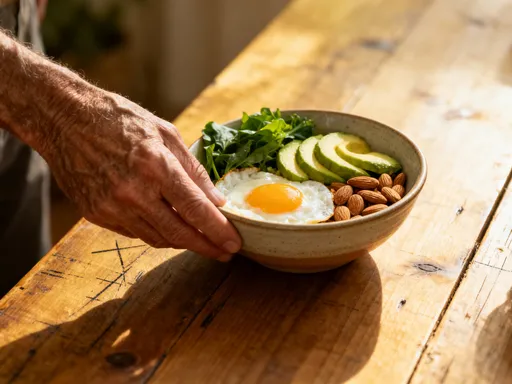
Additionally, incorporating healthy fats like avocado, olive oil, or nuts with vegetables can enhance the absorption of fat-soluble vitamins (A, D, E, K). A salad with olive oil dressing not only tastes better but also helps the body utilize the nutrients in the greens. These simple pairing strategies work with the body’s natural processes, promoting smoother digestion, more consistent energy, and greater overall comfort throughout the day.
How to Start Small Without Overhauling Your Diet
Transforming your eating habits doesn’t mean adopting a rigid or complicated system. The most sustainable changes are small, practical, and easy to maintain. Start with one simple adjustment, such as changing when you eat fruit. Instead of having a banana with your breakfast yogurt, try eating it 20 to 30 minutes earlier on an empty stomach. This small shift can reduce bloating and support more stable energy levels. Over time, you may notice improved digestion and fewer mid-morning cravings.
Another manageable step is reducing starch-protein combos in your main meals. If you typically eat chicken with rice or a burger with a bun, try replacing half the starch with extra vegetables. Over time, you can experiment with having starches at separate meals. For example, enjoy a bowl of oatmeal in the morning and a protein-rich salad for lunch. This gradual approach prevents feelings of deprivation and makes long-term change more achievable.
For busy women managing household meals, focus on what you can control. You don’t need to prepare separate dishes for yourself. Simply adjust your own plate—take smaller portions of starch when eating with protein, or start your meal with a large serving of salad. These minor modifications can significantly reduce digestive strain without disrupting family routines. The goal isn’t perfection but progress. Even small improvements in food pairing can lead to better digestion, clearer focus, and more consistent energy.
Many women report feeling lighter, more alert, and less bloated within just a few days of making these changes. Mood and sleep often improve as well, since digestive comfort and hormonal balance are closely linked. By starting small and building awareness, you create a foundation for lasting wellness that fits naturally into your daily life.
Long-Term Gains: Beyond Digestion
The benefits of mindful food pairing extend far beyond the relief of bloating or fatigue. Over time, supporting efficient digestion contributes to sustained energy, improved sleep quality, and more balanced appetite regulation. When the body isn’t constantly working to break down incompatible meals, it can redirect energy toward repair, immunity, and hormonal balance. This shift often leads to a greater sense of well-being, making daily tasks feel more manageable and life more enjoyable.
Reduced digestive stress also means less low-grade inflammation, which is linked to a range of long-term health concerns. While acute inflammation is a natural immune response, chronic, low-level inflammation can affect joint comfort, skin health, and metabolic function. By choosing food combinations that support smooth digestion, women can play an active role in maintaining their overall health as they age. These habits are not about restriction but about making choices that honor the body’s natural design.
Better food pairing is not a short-term diet trend; it’s a sustainable, science-informed approach to eating that supports lifelong wellness. It encourages mindfulness, not obsession—a gentle awareness of how food makes you feel, rather than rigid rules. This mindset shift can lead to a more positive relationship with food, where meals become a source of nourishment and energy rather than discomfort and confusion.
Small changes, consistently applied, lead to meaningful results. By paying attention to how foods are combined, women can reclaim their energy, improve their digestion, and feel more in tune with their bodies. This isn’t about achieving perfection but about making informed choices that support health every day. With time and practice, these habits become second nature—a quiet, powerful foundation for a vibrant, balanced life.