Move Before You Break: How Daily Motion Keeps Disease at Bay
Staying healthy isn’t just about eating right or avoiding germs—it’s about moving your body, consistently and consciously. I used to think exercise was only for weight loss or building muscle, until I realized it’s actually one of the most powerful tools we have to prevent chronic illness. From boosting immunity to improving heart health, regular movement reshapes your body’s defenses. This guide explores how simple, sustainable physical activity can become your first line of defense—no gym required. The truth is, you don’t need intense workouts or expensive equipment. What matters most is consistency, awareness, and making motion a natural part of your day. Your body was built to move, and when it doesn’t, systems begin to fail—quietly, over time. The good news? Even small shifts in daily habits can reverse these risks and restore vitality.
The Hidden Cost of Sitting Still
Modern life is designed around sitting. From morning commutes in cars to long hours at desks, and evenings spent on the sofa, many adults spend more than eight hours a day in a seated position. This sedentary lifestyle isn’t just uncomfortable—it actively harms the body in measurable ways. Research consistently shows that prolonged sitting is linked to an increased risk of type 2 diabetes, cardiovascular disease, and metabolic syndrome, a cluster of conditions including high blood pressure, excess abdominal fat, and abnormal cholesterol levels. These are not distant threats; they affect millions of otherwise healthy individuals who simply move too little.
The biological impact of inactivity begins almost immediately. When muscles remain inactive for extended periods, they burn less fat and sugar from the bloodstream. This leads to a buildup of glucose, reducing insulin sensitivity—a key factor in the development of diabetes. At the same time, circulation slows, particularly in the legs, increasing the risk of blood clots and weakening the vascular system. Over time, the heart must work harder to pump blood, contributing to elevated blood pressure and strain on arterial walls. These changes may not cause symptoms right away, but they set the stage for long-term damage.
Consider the typical day of a working mother in her 40s. She wakes early to prepare breakfast, drives her children to school, spends several hours answering emails at a desk, returns home to cook dinner, and ends the day watching television to unwind. Each of these activities involves sitting. While none are inherently harmful, their cumulative effect creates a pattern of physical neglect. The body interprets this lack of movement as a signal that energy conservation is needed, slowing metabolism and promoting fat storage, especially around the midsection. This silent shift increases disease risk even in people who eat well and appear healthy.
Breaking this cycle doesn’t require dramatic changes. Simply standing up every 30 to 60 minutes to stretch or walk for a few minutes can reactivate circulation and improve glucose metabolism. Studies have shown that interrupting sitting time with short bouts of light activity helps maintain insulin sensitivity and supports cardiovascular function. The message is clear: movement doesn’t have to be intense to be effective. It just needs to happen regularly. Your body thrives on rhythm, not rigor. By recognizing the hidden cost of stillness, you take the first step toward reclaiming your health—one small motion at a time.
Why Movement Is Medicine (Not Magic)
Exercise is often framed as a tool for weight loss or physical appearance, but its real power lies in prevention. Regular physical activity functions like a multi-system tune-up, strengthening the body’s ability to resist illness and recover from stress. It’s not a miracle cure, nor does it guarantee immunity from disease, but it significantly reduces the likelihood of developing many chronic conditions. Think of movement as a daily investment in your body’s resilience—something that compounds over time, much like saving money or maintaining a garden.
One of the most profound benefits of consistent activity is its effect on the immune system. Moderate exercise increases the circulation of immune cells, such as neutrophils, natural killer cells, and T-cells, allowing them to patrol the body more efficiently. This enhanced surveillance helps detect and eliminate pathogens faster, reducing the frequency and severity of infections. Additionally, physical activity promotes lymphatic flow, a critical process for removing waste and toxins from tissues. Unlike the circulatory system, which has the heart as a pump, the lymphatic system relies on muscle contractions to move fluid. Without regular movement, lymph stagnates, impairing immune function.
Inflammation is another key target of daily motion. Chronic, low-grade inflammation is now recognized as a root cause of many diseases, including heart disease, arthritis, and certain cancers. Exercise helps regulate the body’s inflammatory response by reducing levels of pro-inflammatory markers like C-reactive protein (CRP) and interleukin-6. At the same time, it stimulates the release of anti-inflammatory cytokines, creating a more balanced internal environment. This effect is seen even with moderate activities like walking or gardening, especially when done consistently.
Beyond immunity and inflammation, movement supports mental and emotional well-being. Physical activity increases the production of endorphins and brain-derived neurotrophic factor (BDNF), a protein that supports neuron growth and cognitive function. These changes help reduce symptoms of anxiety and depression, improve sleep quality, and enhance overall mood. For women managing busy households and shifting family dynamics, this emotional resilience can be just as important as physical health. The key is consistency—not intensity. A 20-minute walk most days of the week delivers more long-term benefit than an occasional hour-long workout. Movement doesn’t have to be difficult to be powerful. It simply has to become routine.
Finding Your Natural Rhythm: Types of Preventive Exercise
Not all movement is the same, and each type of physical activity offers unique protective benefits. To build a well-rounded defense against disease, it’s important to include four core categories: aerobic activity, strength training, flexibility work, and balance practice. Together, they support heart health, metabolic function, joint integrity, and long-term independence. The goal isn’t to master each one overnight, but to gradually incorporate them into daily life in ways that feel natural and sustainable.
Aerobic activity, also known as cardio, is any movement that raises your heart rate and increases breathing. Brisk walking, cycling, swimming, or dancing all qualify. This type of exercise strengthens the heart and lungs, improves circulation, and helps regulate blood sugar. Studies show that just 150 minutes of moderate aerobic activity per week can reduce the risk of heart disease by up to 30%. For many women, walking is the most accessible form of cardio. It requires no special skills or equipment, can be done at any time, and easily includes children or pets. Adding hills or increasing pace slightly over time enhances the benefit without requiring a gym membership.
Strength training is often overlooked, especially by those who associate it with heavy weights or bodybuilding. But building muscle is essential for long-term health. Muscle tissue is metabolically active, meaning it burns calories even at rest. As we age, we naturally lose muscle mass—a process called sarcopenia—starting as early as our 30s. Strength training slows this decline, supports bone density, and improves insulin sensitivity. Simple bodyweight exercises like squats, wall push-ups, and step-ups can be done at home. Resistance bands are inexpensive, portable, and effective for building strength safely. Two sessions per week are enough to maintain muscle mass and support metabolic health.
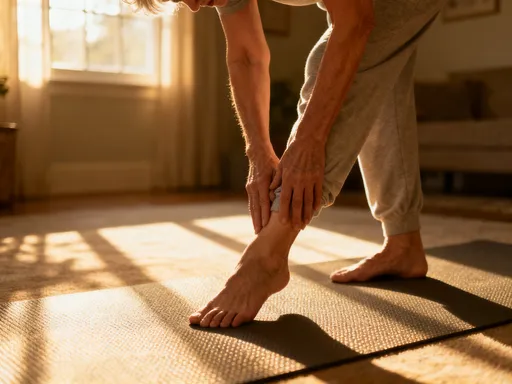
Flexibility work, such as stretching or yoga, keeps joints mobile and reduces the risk of injury. Tight muscles and stiff joints limit movement and increase strain on the body during everyday tasks. Regular stretching improves posture, reduces lower back pain, and enhances circulation to muscles. It also promotes relaxation and mindfulness, contributing to stress reduction. A 10-minute daily routine focusing on major muscle groups—hamstrings, hips, shoulders, and neck—can make a noticeable difference in comfort and mobility.
Balance practice is especially important as we age, but it’s valuable at any stage of life. Poor balance increases the risk of falls, which can lead to serious injuries. Simple exercises like standing on one foot, heel-to-toe walking, or tai chi improve stability and coordination. These activities engage core muscles and enhance neuromuscular communication, helping the body respond more effectively to changes in terrain or unexpected movements. Integrating balance work into daily routines—such as brushing your teeth on one foot—makes it easy to maintain without adding extra time.
Building a Routine That Sticks
Motivation is fleeting, but habits endure. Many people start exercise programs with enthusiasm, only to lose momentum within weeks. The difference between success and failure often comes down to system design. Instead of relying on willpower, focus on creating an environment and routine that make movement inevitable. Start small—so small that it feels almost effortless. The goal is consistency, not perfection.
Habit stacking is a powerful strategy. This involves linking a new behavior to an existing one. For example, do five minutes of stretching after brushing your teeth in the morning, or take a short walk right after lunch. These cues anchor the new habit to something already ingrained in your day. Over time, the brain begins to associate the trigger with the action, making it automatic. Another effective method is environmental design. Keep walking shoes by the door, place resistance bands on the kitchen counter, or set a reminder on your phone to stand up every hour. These visual and digital cues reduce friction and increase the likelihood of action.
Time-based goals are more sustainable than performance-based ones. Instead of aiming to walk three miles or lift a certain weight, commit to moving for 10 or 20 minutes a day. This removes pressure and makes it easier to succeed, even on busy or tiring days. Celebrate non-scale victories—like feeling more energy, sleeping better, or climbing stairs without getting winded. These subtle improvements are real progress, even if the number on the scale doesn’t change.
Flexibility is also key. Life is unpredictable, and rigid plans often fail. If you miss a planned walk, don’t abandon the effort. Instead, find another opportunity later—take the stairs at work, park farther away, or do a few squats while waiting for the kettle to boil. The goal is to accumulate movement throughout the day, not to achieve a single workout. Over time, these small efforts add up, creating lasting change without burnout.
Listening to Your Body: Avoiding Burnout and Injury
One of the biggest mistakes people make is pushing too hard, too soon. The desire for quick results can lead to overtraining, which increases the risk of injury and discourages long-term adherence. Exercise should energize, not exhaust. Learning to listen to your body is essential for sustainable progress.
Signs of overtraining include persistent fatigue, trouble sleeping, irritability, joint or muscle pain that doesn’t go away, and a decline in performance. If you find yourself dreading your workouts or feeling worse after exercising, it may be time to scale back. Rest is not a sign of weakness—it’s a necessary part of the process. Muscles need time to repair and grow stronger, and the nervous system requires recovery to maintain balance.
Rest days are just as important as active ones. They allow the body to adapt, reduce inflammation, and restore energy. Incorporate active recovery on some days—gentle movement like walking, stretching, or light yoga. These activities promote blood flow to muscles, helping them recover faster without adding strain. Additionally, prioritize sleep. Poor sleep undermines the benefits of exercise by increasing cortisol levels, reducing insulin sensitivity, and weakening immune function. Aim for 7 to 8 hours of quality sleep per night to support physical recovery and overall health.
Progress doesn’t have to be fast to be meaningful. A gradual, steady approach leads to longer-lasting results. If you’re new to exercise, start with five or ten minutes a day and increase slowly. If you’re returning after a break, honor where you are now, not where you used to be. The goal is to build a routine that supports your life, not one that feels like a burden. Sustainability trumps speed every time.
Making Movement Accessible—No Gym, No Problem
You don’t need a gym membership, special clothes, or expensive equipment to stay active. In fact, some of the most effective forms of exercise happen in everyday settings. The key is to redefine what counts as movement. Household chores like vacuuming, mopping, gardening, or carrying groceries engage multiple muscle groups and elevate heart rate. Treat these tasks as opportunities to move, not just chores to finish.
Walking meetings are a great way to combine social interaction with activity. Instead of sitting down for coffee with a friend, suggest a walk around the neighborhood. Family time can also include movement—play tag with your kids, go for a bike ride, or take a nature hike on weekends. These activities build connection while supporting health.
Stair climbing is a powerful, underused exercise. Skip the elevator and take the stairs whenever possible. It builds leg strength, improves cardiovascular fitness, and can be done in short bursts. Even standing up from your chair every hour to walk for two minutes helps break up sedentary time and reactivates circulation.
Short movement breaks are easy to integrate. Set a timer to remind yourself to stand, stretch, or march in place for a few minutes every hour. These micro-bouts of activity add up over the day, contributing to better metabolic health and reduced disease risk. The goal is not to achieve perfection, but to create a lifestyle where movement is natural, frequent, and enjoyable.
When to Seek Professional Guidance
While physical activity is a powerful preventive tool, it is not a substitute for medical care. Before starting any new exercise program, especially if you have a pre-existing condition such as heart disease, diabetes, or joint problems, it’s important to consult a healthcare provider. They can help you determine safe levels of activity and identify any precautions you should take.
For some individuals, working with a physical therapist or certified fitness professional can provide personalized guidance and support. This is especially helpful if you’re recovering from an injury, managing chronic pain, or unsure how to begin. A professional can design a program that fits your abilities, goals, and lifestyle, increasing the chances of long-term success.
Remember, exercise is just one part of a comprehensive approach to health. Regular medical screenings, balanced nutrition, stress management, and adequate sleep all play essential roles. The most effective prevention strategies are holistic—addressing the whole person, not just one aspect of health. By viewing movement as a lifelong commitment rather than a short-term fix, you invest in a future of greater energy, independence, and well-being.
In the end, the message is simple: move before you break. Your body is designed to be in motion. When you honor that design with regular, intentional activity, you build a stronger defense against disease, enhance your quality of life, and create a legacy of health for yourself and your family. Start where you are, use what you have, and do what you can. Every step counts.