Time Slows Down When You Master These Anti-Aging Moves
Aging isn’t something we can stop—but how fast it affects us is more in our control than most realize. Science now shows that biological aging responds powerfully to daily habits. From energy levels to skin vitality and joint strength, small consistent choices create big long-term shifts. I’ve tested these strategies myself, and the changes weren’t subtle. This isn’t about looking younger in photos—it’s about feeling stronger, sharper, and more alive as the years go by. Let’s dive into what actually works.
The Hidden Truth Behind Aging: It’s Not Just Time
Many people assume aging is simply the passage of years—what scientists call chronological aging. But research increasingly shows that how old your body functions—known as biological aging—can differ dramatically from your calendar age. Two women may both be 52, yet one climbs mountains with ease while the other struggles to rise from a chair. The difference lies not in luck, but in lifestyle choices that influence cellular health.
At the core of biological aging are processes like oxidative stress, chronic inflammation, and telomere shortening. Telomeres are protective caps at the ends of our chromosomes, much like the plastic tips on shoelaces. Each time a cell divides, these caps get shorter. When they become too short, the cell can no longer divide and may become dysfunctional or die. This process is linked to visible signs of aging—wrinkles, thinning hair, joint stiffness—as well as increased risk for age-related conditions.
However, telomere length isn’t fixed by genetics alone. Lifestyle factors play a powerful role. Studies have shown that individuals who maintain healthy habits—such as regular physical activity, balanced nutrition, and effective stress management—tend to have longer telomeres than those who don’t, even when they’re the same chronological age. This means the body’s internal clock can be slowed through intentional daily behaviors.
Think of the body like a well-made car. Over time, every vehicle accumulates mileage, but how it’s driven and maintained makes all the difference. A car driven gently, serviced regularly, and kept out of extreme conditions will run smoothly for far longer than one that’s neglected. Similarly, the human body ages more gracefully when treated with care. Fatigue, brain fog, and reduced mobility aren’t inevitable signs of getting older—they’re often signals that underlying systems need support.
Oxidative stress, caused by an imbalance between free radicals and antioxidants in the body, damages cells over time. Free radicals are natural byproducts of metabolism, but when their numbers grow unchecked—due to poor diet, pollution, or chronic stress—they begin to harm DNA, proteins, and lipids. Inflammation, while useful in the short term for healing, becomes harmful when it persists. Low-grade, chronic inflammation is now recognized as a key driver of aging and many long-term health challenges.
The encouraging news is that these processes are modifiable. You don’t need a miracle cure to influence them. Simple, consistent actions—like choosing whole foods, moving your body daily, and managing stress—can reduce oxidative damage and calm inflammation. The body has an extraordinary ability to repair itself when given the right conditions. Aging well, then, is less about fighting time and more about supporting the body’s natural resilience.
Why Most Anti-Aging Efforts Fail (And What Works Instead)
Despite growing awareness, many women in their 30s, 40s, and beyond invest time and money into anti-aging strategies that deliver little lasting benefit. Brightly packaged creams promise firmer skin, supplements claim to reverse cellular aging, and quick-fix diets promise rapid rejuvenation. Yet, after weeks or months, the results are often underwhelming. The reason? These approaches tend to focus on surface symptoms rather than root causes.
Topical skincare, for example, can improve the appearance of the skin temporarily, but it cannot address deeper issues like collagen breakdown or cellular turnover slowdown unless supported by internal health. Similarly, taking a single supplement without addressing diet, sleep, or stress is like watering one leaf of a plant while ignoring the roots. True vitality comes from systemic support, not isolated interventions.
What does work—and is supported by scientific evidence—are foundational habits that influence the body at a cellular level. These include quality sleep, consistent physical activity, balanced nutrition, and emotional well-being. Unlike flashy shortcuts, these strategies don’t promise overnight transformations. Instead, they build resilience over time, leading to sustained energy, clearer thinking, and stronger physical function.
Consider the story of a 48-year-old woman who struggled with constant fatigue and joint discomfort. She had tried multiple detox teas, collagen powders, and high-end serums, but nothing brought lasting relief. Then, she shifted her focus to sleep—prioritizing seven to eight hours nightly, reducing screen time before bed, and creating a calming evening routine. Within six weeks, her energy improved. She added daily walks and gradually increased strength training. Over the next year, her joint pain lessened, her skin appeared more radiant, and her mood stabilized.
Her transformation wasn’t due to a miracle product. It came from aligning her daily habits with her body’s biological needs. This is the essence of effective anti-aging: consistency over intensity, balance over extremes. The most powerful changes are often the quietest—going to bed at the same time each night, choosing a piece of fruit over a sugary snack, taking a few deep breaths when feeling overwhelmed.
Another common mistake is chasing perfection. Some women feel discouraged if they can’t follow a strict regimen every single day. But longevity science doesn’t require flawlessness—it rewards regularity. Missing a workout or eating a rich meal on occasion doesn’t undo progress. What matters is the overall pattern. Sustainable change is built on small, repeatable actions that fit into real life, not rigid rules that lead to burnout.
Fueling Longevity: The Plate That Slows Aging
Nutrition is one of the most direct ways to influence how your body ages. Every bite you eat either supports cellular repair or contributes to wear and tear. The goal isn’t restrictive dieting or chasing the latest superfood trend. It’s about building meals that provide steady energy, reduce inflammation, and supply the nutrients your cells need to function optimally.
A longevity-supportive diet centers on whole, minimally processed foods. Fill at least half your plate with colorful vegetables—leafy greens, bell peppers, carrots, broccoli, and beets. These are rich in antioxidants, which neutralize free radicals and protect cells from damage. Include a variety of plant colors to ensure a broad spectrum of phytonutrients, each with unique protective properties.
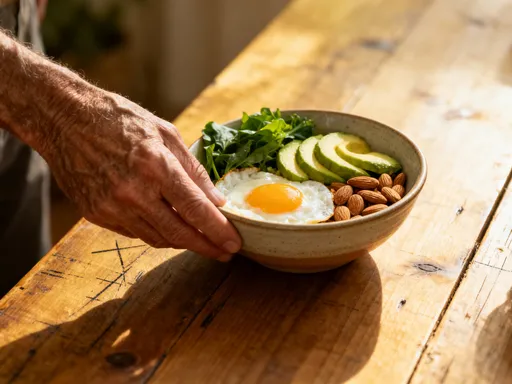
Choose healthy fats as a key part of your meals. Sources like avocado, olive oil, nuts, and fatty fish provide essential fatty acids that support brain health, reduce inflammation, and maintain skin elasticity. Omega-3 fatty acids, in particular, have been shown to support heart and cognitive health as we age. These fats also help you feel full and satisfied, reducing the urge to snack on less nutritious options.
Protein is crucial for maintaining muscle mass, which naturally declines with age. Include a source of high-quality protein at every meal—such as eggs, legumes, poultry, or fish. Muscle isn’t just about strength; it plays a vital role in metabolism, balance, and independence in later years. Preserving lean muscle helps keep the body resilient and functional.
Carbohydrates should be chosen wisely. Opt for fiber-rich options like sweet potatoes, quinoa, oats, beans, and whole fruits. These provide sustained energy and support gut health. A healthy gut microbiome is increasingly linked to reduced inflammation and better immune function—both key factors in slowing biological aging. Avoid refined sugars and highly processed grains, which can spike blood sugar and contribute to chronic inflammation.
Balancing blood sugar is one of the most impactful things you can do for long-term health. Frequent spikes and crashes in glucose levels accelerate aging processes and increase the risk of metabolic dysfunction. Eating meals with a combination of fiber, protein, and healthy fat helps stabilize blood sugar and prevents energy slumps. For example, instead of a plain bagel, choose whole grain toast with avocado and a boiled egg.
Hydration also plays a quiet but essential role. Water supports every bodily function, from digestion to circulation to skin health. Dehydration can mimic signs of aging—dry skin, fatigue, and brain fog. Aim to drink water consistently throughout the day, especially before meals. Herbal teas and water-rich foods like cucumbers and melons also contribute to fluid intake.
Movement That Matters: Exercise Beyond Weight Loss
Physical activity is often promoted for weight management, but its true power lies in how it strengthens the body at a cellular level. Movement isn’t just about appearance—it’s a form of medicine that enhances mitochondrial function, preserves muscle, and supports joint health. The goal isn’t to train like an athlete, but to stay consistently active in ways that match your lifestyle and abilities.
Strength training is one of the most effective anti-aging tools. As we age, we naturally lose muscle mass—a process called sarcopenia. This loss begins as early as the 30s and accelerates over time. Strength training, even with light weights or resistance bands, helps slow this decline. It also improves bone density, balance, and metabolism. Just two to three sessions per week can make a significant difference.
Aerobic exercise—such as brisk walking, cycling, or swimming—supports heart and lung health while boosting mitochondrial efficiency. Mitochondria are the energy factories within cells. When they function well, you feel more energetic and recover faster from daily activities. Regular aerobic activity increases the number and quality of mitochondria, helping cells produce energy more efficiently and reducing oxidative stress.
Flexibility and balance are equally important. Stretching, yoga, or tai chi improve range of motion, reduce stiffness, and lower the risk of falls. These practices also calm the nervous system, contributing to mental well-being. Even five to ten minutes a day can maintain joint health and ease everyday movements like bending, reaching, and turning.
One of the simplest yet most powerful habits is walking after meals. Research shows that a 10- to 15-minute walk following a meal helps regulate blood sugar levels, reducing the metabolic strain that accelerates aging. This small action is especially helpful for women managing energy fluctuations or pre-diabetic conditions. It doesn’t require special equipment or time—just a pair of comfortable shoes and a few minutes outdoors.
The key is consistency, not intensity. You don’t need to run marathons or spend hours in the gym. What matters is showing up regularly. Find activities you enjoy—dancing, gardening, swimming—and make them part of your routine. When movement feels good, it becomes sustainable. Over time, these small efforts add up to greater strength, mobility, and vitality.
Sleep: Your Body’s Nightly Reset Button
If there were a single, most powerful anti-aging intervention, it would be high-quality sleep. During deep rest, the body performs essential maintenance: repairing tissues, balancing hormones, clearing brain waste, and strengthening the immune system. Without enough sleep, these processes are disrupted, accelerating signs of aging and increasing long-term health risks.
Chronic sleep deprivation is linked to higher levels of inflammation, impaired glucose metabolism, and increased cortisol—the stress hormone. Over time, this creates a biological environment that speeds up cellular aging. Poor sleep also affects appearance—dark circles, dull skin, and fine lines become more noticeable. But more importantly, it impacts how you feel: low energy, poor concentration, and mood swings are common consequences.
Yet, many women sacrifice sleep to manage busy schedules. They stay up late to finish tasks or scroll through screens, unaware of how much they’re undermining their health. The good news is that sleep quality can be improved with simple, realistic changes. The first step is prioritizing it as non-negotiable, just like eating or breathing.
Start by creating a wind-down routine. Turn off electronic devices at least 30 to 60 minutes before bed. The blue light emitted by phones and tablets suppresses melatonin, the hormone that signals sleep. Replace screen time with calming activities—reading a book, gentle stretching, or listening to soft music. Keep the bedroom cool, dark, and quiet to support uninterrupted rest.
Going to bed and waking up at roughly the same time each day helps regulate your internal clock. Even on weekends, try to keep your sleep schedule within an hour of your weekday routine. This consistency strengthens your circadian rhythm, making it easier to fall asleep and wake up naturally.
Limit caffeine and heavy meals in the evening. Caffeine can stay in your system for several hours, interfering with sleep onset. If you enjoy tea or coffee, aim to stop by mid-afternoon. A light, balanced snack before bed—such as a small handful of nuts or a piece of fruit—can prevent hunger from disrupting sleep without overloading your digestive system.
For women experiencing hormonal shifts during perimenopause or menopause, sleep disturbances are common. Night sweats, anxiety, and hormonal fluctuations can make rest elusive. In these cases, consulting a healthcare provider is important. They can help identify underlying causes and suggest safe, evidence-based solutions—such as adjusting diet, adding certain nutrients, or exploring non-hormonal support strategies.
Stress, Mindset, and the Longevity Connection
Chronic psychological stress is a silent accelerator of biological aging. When stress becomes constant, the body remains in a state of heightened alert, releasing cortisol and other stress hormones. Over time, this leads to increased inflammation, weakened immunity, and cellular damage. The mind-body connection is real: how you think and feel directly impacts your physical health.
But stress isn’t just about major life events. Daily pressures—work demands, family responsibilities, financial concerns—can accumulate and wear down the body’s resilience. The good news is that stress can be managed, and mental resilience can be built like a muscle. You don’t need hours of meditation to make a difference. Small, intentional practices can shift your body from a state of stress to one of restoration.
Mindfulness—the practice of paying attention to the present moment without judgment—has been shown to reduce cortisol levels and improve emotional regulation. It doesn’t require sitting in silence for long periods. You can practice mindfulness while washing dishes, walking, or sipping tea. Simply focus on your senses: the warmth of the water, the sound of birds, the taste of your drink. These moments of awareness help break the cycle of rumination and anxiety.
Breathing exercises are another powerful tool. Taking slow, deep breaths activates the parasympathetic nervous system, which calms the body. Try this simple technique: inhale for four counts, hold for four, exhale for six. Repeat for just two to five minutes. This can be done at your desk, in the car, or before bed. It’s a quick reset that lowers heart rate and reduces tension.
Spending time in nature also supports mental and physical health. Even a 10-minute walk in a park or sitting under a tree can lower stress hormones and improve mood. Nature has a grounding effect, helping you feel more connected and less overwhelmed. Make it a habit to step outside daily, even if only for a few minutes.
Daily reflection practices, such as writing down three things you’re grateful for, can shift your mindset over time. Gratitude doesn’t deny life’s challenges, but it helps balance your focus toward what’s going well. This positive outlook is linked to better cardiovascular health, stronger immunity, and greater emotional resilience.
Mental resilience isn’t about eliminating stress—it’s about building the capacity to navigate it without long-term damage. By incorporating small, regular practices, you protect your cellular health and support graceful aging.
Putting It All Together: A Realistic Anti-Aging Lifestyle
The most effective anti-aging strategy isn’t a single habit, but the synergy of several working together. Nutrition fuels the body, movement strengthens it, sleep restores it, and mindset protects it. When these elements are aligned, they create a foundation for sustained vitality that goes beyond superficial appearance.
Imagine a typical day built around longevity. You wake up feeling rested, having gone to bed at a consistent time. Your morning includes a few minutes of deep breathing and a glass of water. Breakfast is a balanced meal—oatmeal with berries and nuts, or eggs with vegetables. You take a 20-minute walk, perhaps after lunch, to support digestion and energy. Throughout the day, you stay hydrated and choose whole foods over processed ones.
In the evening, you wind down without screens, maybe reading or stretching. You go to bed at a regular hour, knowing your body will use the night to repair and renew. Stressful moments are met with a pause—a few breaths, a short walk, or a moment of gratitude—rather than spiraling into overwhelm.
This rhythm isn’t rigid. Some days will be busier, meals less ideal, sleep shorter. The goal isn’t perfection, but direction. Progress is measured by patterns over time, not single choices. What matters is returning to your habits again and again, with kindness and persistence.
Building this lifestyle takes time. Start with one change—better sleep, daily movement, or mindful eating—and let it become automatic before adding another. Small wins build confidence and momentum. As these habits integrate, you’ll notice subtle shifts: more energy, better mood, improved sleep, and a stronger sense of well-being.
Remember, you don’t have to do everything at once. Aging well is a journey, not a sprint. The habits that support longevity are the same ones that make life more enjoyable today. You’re not just adding years to your life—you’re adding life to your years.
Conclusion: Aging Well Is a Choice, Not a Chance
Time moves forward for everyone, but the quality of your aging is shaped by the choices you make every day. While you can’t stop the calendar, you can influence how your body responds to the years. The science is clear: lifestyle is a powerful determinant of biological age. What you eat, how you move, how well you sleep, and how you manage stress all contribute to your long-term vitality.
This isn’t about chasing youth or achieving perfection. It’s about building a body and mind that remain strong, capable, and resilient. It’s about feeling confident in your skin, energized in your days, and at peace with your journey. The women who age most gracefully aren’t those who rely on quick fixes, but those who invest consistently in their health.
If you’re unsure where to start, begin with one habit—perhaps going to bed 30 minutes earlier, adding a daily walk, or filling half your plate with vegetables. Small steps lead to lasting change. And if you have existing health conditions, always consult a healthcare professional before making significant shifts. Personalized guidance ensures your approach is safe and effective.
The best time to build a resilient body was years ago. The second-best time is now. Every choice you make today plants a seed for the future. By aligning your daily habits with your long-term well-being, you’re not just slowing down time—you’re enriching it. Aging well isn’t a matter of luck. It’s a decision you make, one day at a time.