How Exercise Transformed My Sleep—And Can Help Yours Too
Struggling with sleep? You’re not alone. Millions face restless nights, but the solution might not be in a pill bottle. As someone who once tossed and turned for hours, I discovered that a smart exercise routine—backed by science—can dramatically improve sleep quality. It’s not about intense workouts, but consistency, timing, and the right movement. This article explores how physical activity influences sleep, why it works, and how you can build a sustainable plan that fits your life—no gym required. The journey to better rest begins not with medication, but with motion. And the best part? You don’t need to run marathons or lift heavy weights. Simple, intentional movement, woven into daily life, can reset your body’s natural rhythm and restore the deep, uninterrupted sleep so many long for.
The Sleep Crisis: Why So Many Can’t Rest
Sleep has become a luxury rather than a necessity in modern life. According to the Centers for Disease Control and Prevention (CDC), more than one-third of American adults regularly fail to get the recommended seven or more hours of sleep per night. The World Health Organization has labeled poor sleep a global public health issue, with consequences that ripple across physical, mental, and emotional well-being. Women between the ages of 30 and 55—often juggling family, work, and personal responsibilities—are particularly vulnerable to sleep disruption. The fatigue is more than just feeling tired; it manifests as brain fog, difficulty concentrating, low energy, and increased irritability, all of which can strain relationships and reduce quality of life.
Chronic sleep deprivation does more than leave you groggy in the morning. Over time, it undermines critical bodily functions. Poor sleep is linked to a weakened immune system, making the body more susceptible to infections. It disrupts metabolism, increasing the risk of weight gain and type 2 diabetes. It also affects cardiovascular health, with studies showing a correlation between insufficient sleep and higher blood pressure and heart disease. Mental clarity suffers too—memory consolidation, emotional regulation, and decision-making all depend on restorative sleep cycles. When sleep is consistently compromised, the body operates in a state of low-grade stress, which can contribute to anxiety and mood disorders.
Many turn to over-the-counter or prescription sleep aids in search of relief. While these may offer short-term solutions, they do not address the root causes of poor sleep and can lead to dependency or diminished effectiveness over time. More importantly, they lack the holistic benefits that lifestyle changes provide. Unlike medication, which often targets symptoms, behavioral adjustments such as regular physical activity work with the body’s natural systems to create lasting improvements. The good news is that one of the most powerful tools for better sleep is already within reach: movement. You don’t need expensive equipment or hours of free time. What matters most is consistency and alignment with your body’s natural rhythms.
The Science Link: How Exercise Supports Better Sleep
The connection between exercise and sleep is rooted in biology. When you engage in physical activity, your body undergoes a series of physiological changes that directly influence your ability to fall asleep and stay asleep. One of the most significant mechanisms is the regulation of body temperature. Exercise raises your core temperature, and the subsequent drop in the hours afterward signals to the brain that it’s time to sleep. This cooling process mimics the body’s natural temperature cycle, which dips in the evening as part of the circadian rhythm. By reinforcing this pattern, regular movement helps synchronize your internal clock, making it easier to fall asleep at night and wake up feeling refreshed.
Another key factor is the effect of exercise on stress hormones. Physical activity reduces levels of cortisol, the hormone associated with stress and alertness. High cortisol levels, especially in the evening, can interfere with sleep onset and reduce sleep quality. Exercise also increases the production of endorphins and other mood-regulating neurotransmitters like serotonin and gamma-aminobutyric acid (GABA), which promote relaxation and emotional balance. These biochemical shifts create a mental environment more conducive to rest, helping to quiet the mind and reduce the racing thoughts that often keep people awake at night.
Research consistently shows that people who engage in regular physical activity experience deeper and more efficient sleep. A study published in the journal Sleep Medicine Reviews found that moderate aerobic exercise significantly increases slow-wave sleep—the most restorative phase of the sleep cycle, during which tissue repair, memory consolidation, and immune function are optimized. Participants also reported shorter sleep onset times, meaning they fell asleep faster, and fewer nighttime awakenings. Importantly, these benefits were observed even with moderate-intensity activities like brisk walking, not just vigorous workouts. This underscores a crucial point: intensity is not the only measure of effectiveness. Consistency and timing play equally important roles.
Despite these findings, misconceptions persist. Some believe that exercising in the evening will make it harder to fall asleep due to increased alertness. However, recent studies challenge this assumption. A 2019 review in Progress in Cardiovascular Diseases concluded that moderate evening exercise does not disrupt sleep for most people and may even improve it, provided the workout ends at least one hour before bedtime. The key is avoiding high-intensity activities too close to bedtime, which can elevate heart rate and adrenaline. For most individuals, a gentle walk or stretching session in the evening can actually support relaxation and signal the body that it’s time to wind down.
Finding Your Rhythm: Timing Matters More Than You Think
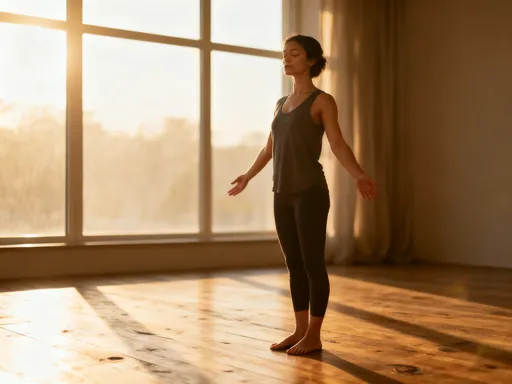
When you exercise can be just as important as how much you exercise. The human body operates on a circadian rhythm—a 24-hour internal clock that regulates sleep, hormone release, and body temperature. Aligning physical activity with this natural cycle can enhance both daytime energy and nighttime rest. For example, morning exercise has been shown to help reset the circadian clock, especially for those who struggle with falling asleep too early or waking up too late. Exposure to natural light during a morning walk or jog reinforces the body’s perception of day and night, strengthening the sleep-wake cycle.
Midday or afternoon workouts also offer distinct advantages. Body temperature and muscle strength typically peak in the late afternoon, making this an optimal time for more intense activities like strength training or cycling. Exercising during this window can boost alertness and productivity for the rest of the day while still allowing enough time for the body to cool down before bedtime. Some research suggests that afternoon exercise may lead to deeper slow-wave sleep, as the body continues to regulate temperature and recover overnight. For women managing household schedules, this time may also be more practical, fitting between school drop-offs and evening responsibilities.
Evening exercise has long been viewed with caution, but modern evidence paints a more nuanced picture. While vigorous workouts right before bed may interfere with sleep for some, moderate physical activity in the evening—such as a 30-minute walk, light resistance training, or yoga—can actually promote relaxation. A study from the Journal of Clinical Sleep Medicine found that participants who engaged in moderate evening exercise reported improved sleep quality and no delay in sleep onset, as long as the session ended at least 60 to 90 minutes before bedtime. The key is choosing the right type of movement: calming rather than stimulating.
Understanding your chronotype—whether you’re a morning person or a night owl—can help you tailor your routine. Early risers may benefit most from morning activity, while those who feel more energetic in the evening can use that window to their advantage. The goal is not to force yourself into a rigid schedule but to work with your natural energy patterns. Simple strategies like pairing a post-dinner walk with family time or doing gentle stretches while watching the evening news can make movement feel less like a chore and more like a seamless part of your day. Over time, this alignment strengthens the body’s internal signals for sleep and wakefulness, leading to more consistent, restful nights.
The Right Moves: Types of Exercise That Improve Sleep
Not all forms of exercise affect sleep in the same way. Different types of physical activity offer unique benefits, and incorporating a variety can create a more balanced and effective approach. Aerobic exercise—such as walking, swimming, or cycling—is one of the most well-researched for improving sleep. A 2020 meta-analysis in Advances in Preventive Medicine found that regular moderate-intensity aerobic activity significantly reduced symptoms of insomnia and improved overall sleep efficiency. Even a daily 30-minute walk has been shown to reduce nighttime awakenings and increase total sleep time. The rhythmic, repetitive nature of these activities may also have a meditative effect, helping to calm the mind and reduce anxiety.
Resistance training, including bodyweight exercises, free weights, or resistance bands, also plays a valuable role. Building muscle increases metabolic demand, which can enhance the body’s need for restorative sleep. Studies indicate that strength training improves sleep depth and reduces the time it takes to fall asleep. For women in midlife, who may experience changes in muscle mass and metabolism, incorporating two to three strength sessions per week can support both physical health and sleep quality. Exercises like squats, lunges, push-ups, and planks can be done at home with minimal equipment, making them accessible and sustainable.
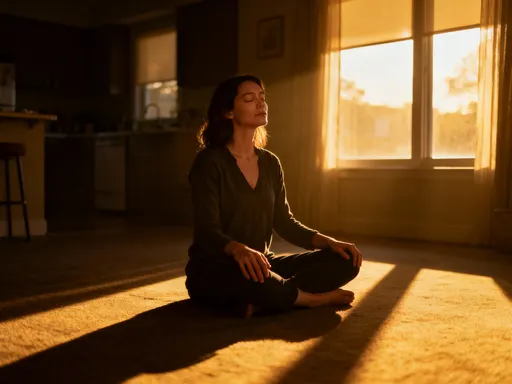
Mind-body practices such as yoga, tai chi, and qigong offer another powerful avenue for better sleep. These disciplines combine gentle movement with breath awareness and mindfulness, directly targeting the nervous system to reduce stress and promote relaxation. A randomized controlled trial published in JAMA Internal Medicine found that older adults who practiced yoga regularly experienced significant improvements in sleep quality, sleep duration, and reduced use of sleep medication. The slow, intentional movements and focus on breathing activate the parasympathetic nervous system—the “rest and digest” mode—which counteracts the overactive “fight or flight” response that often disrupts sleep.
The most effective approach is not to choose one type of exercise exclusively but to create a balanced routine that includes aerobic, strength, and mind-body elements. This variety not only supports different aspects of health but also reduces the risk of burnout or injury. For example, a weekly plan might include three brisk walks, two strength sessions, and a daily 10-minute yoga or stretching routine before bed. The key is consistency. It’s better to do a little each day than to push for long, intense workouts that are hard to maintain. Over time, these small efforts accumulate, leading to deeper, more restful sleep and a greater sense of well-being.
Building a Realistic Routine: From Intention to Habit
Starting an exercise routine can feel overwhelming, especially when you’re already exhausted from poor sleep. The good news is that you don’t need to overhaul your life to see results. The concept of the “minimum effective dose” applies here: small, consistent actions are more sustainable and often more effective than sporadic, intense efforts. For improving sleep, just 10 to 15 minutes of intentional movement per day can begin to shift your body’s rhythm. The goal is not perfection but progress—building a habit that fits naturally into your life.
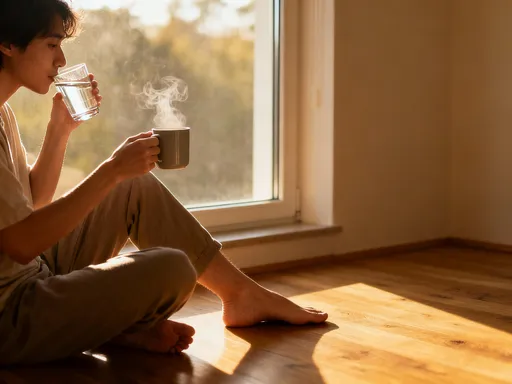
Begin by assessing your current schedule and identifying pockets of time that could be used for movement. This might be a 10-minute walk after breakfast, a few minutes of stretching during a lunch break, or a short strength routine while dinner cooks. The key is to start small and build gradually. Habit stacking—a technique where you link a new behavior to an existing one—can make this easier. For example, pair a five-minute stretch with your morning coffee, or take a walk immediately after dropping the kids at school. These small connections help anchor the new habit in your daily routine, increasing the likelihood of long-term success.
Tracking progress can also be motivating. Use a simple journal, calendar, or mobile app to note when you move and how you feel afterward. Over time, you may notice patterns—such as better sleep after a walk or improved mood after a strength session. These observations reinforce the connection between activity and rest, making the effort feel worthwhile. Setting realistic goals—like “move three days this week” rather than “exercise every day”—helps prevent discouragement and supports consistency.
Common obstacles include lack of time, low motivation, and physical discomfort. To address time constraints, focus on efficiency: short bursts of activity add up. A 10-minute walk in the morning and another in the evening equals 20 minutes of beneficial movement. For motivation, remind yourself of the purpose: better sleep, more energy, improved health. If physical limitations are a concern, consult a healthcare provider or physical therapist to design a safe, modified routine. Chair-based exercises, water aerobics, or gentle yoga can be excellent options. The goal is not to push through pain but to move in a way that supports your body, not strains it.
Beyond the Workout: Lifestyle Synergy for Deeper Rest
Exercise is a powerful tool, but it works best when combined with other healthy habits. Light exposure, for example, plays a crucial role in regulating the circadian rhythm. Getting natural sunlight in the morning—especially within the first hour of waking—helps set your internal clock and improves nighttime sleep. Pairing a morning walk with sunlight exposure creates a double benefit: movement and light regulation. In the evening, reducing exposure to blue light from screens supports melatonin production, the hormone that signals sleep. Dimming lights and avoiding phones or tablets an hour before bed can enhance the wind-down process.
Diet also influences sleep quality. While exercise helps regulate appetite and metabolism, what you eat affects energy levels and sleep patterns. Avoid heavy meals, caffeine, and alcohol close to bedtime, as they can disrupt sleep onset and reduce sleep quality. Staying hydrated throughout the day supports overall function, but reducing fluid intake in the evening can minimize nighttime awakenings for bathroom trips. A light, balanced snack—such as a banana with almond butter or a small bowl of oatmeal—can promote sleep if hunger is an issue at night.
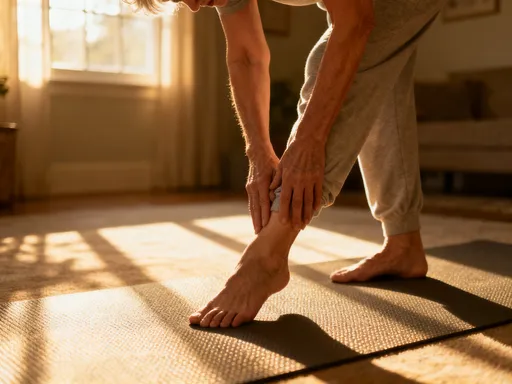
Equally important is the post-exercise wind-down. After a workout, especially in the evening, allow time for your body to cool down. Gentle stretching, deep breathing, or a warm bath can signal the transition from activity to rest. These rituals help lower heart rate and calm the nervous system, preparing the body for sleep. Overtraining, on the other hand, can have the opposite effect. Excessive exercise without adequate recovery increases cortisol and can lead to sleep disturbances. Balance is essential: movement supports sleep, but sleep also supports recovery and performance. Listening to your body and allowing rest days is not a sign of weakness but a sign of wisdom.
Creating a holistic sleep-supportive lifestyle means integrating movement with other positive habits. When exercise, light, diet, and relaxation practices work together, their effects are amplified. You’re not just adding one healthy behavior—you’re building a foundation for long-term well-being. This synergy makes it easier to maintain changes over time, leading to deeper, more consistent sleep and a greater sense of vitality.
Your Journey Starts Now: Making Sleep a Priority Through Movement
Better sleep is not reserved for a lucky few. It is an achievable goal, within reach for anyone willing to take the first small step. The path does not require drastic changes, expensive treatments, or hours of free time. It begins with recognizing that movement is not just for fitness—it is a form of self-care, a daily commitment to your health and well-being. Every walk, stretch, or strength session is an investment in more restful nights and more energized days.
Start where you are. If 10 minutes of movement feels manageable, begin there. If that still seems daunting, start with five. The key is to begin. As consistency builds, so will the benefits. You may notice subtle shifts at first—a slightly easier time falling asleep, fewer middle-of-the-night awakenings, or waking with a little more energy. These small wins add up, creating momentum that supports long-term change. Remember, this is not about perfection. Missed days are part of the process. What matters is returning to the routine, without judgment or self-criticism.
If sleep problems persist despite lifestyle changes, it’s important to consult a healthcare professional. Conditions such as sleep apnea, restless legs syndrome, or hormonal imbalances may require medical evaluation and treatment. Exercise is a powerful support, but it is not a substitute for professional care when underlying issues are present. A doctor can help identify any contributing factors and recommend appropriate interventions.
The journey to better sleep is not a sprint; it’s a gentle, steady walk. And every step you take—literally—brings you closer to the rest your body and mind truly need. By choosing movement, you are choosing hope, resilience, and a deeper connection to your own well-being. Let today be the day you take that first step toward more restful, restorative nights.