What I Learned About Healing: Acupuncture, Massage, and What I Eat
I used to think recovery was just about rest—until I tried acupuncture and massage. As a beginner, I was skeptical, but combining these therapies with smart dietary choices made a real difference. This isn’t about miracles; it’s about small, consistent steps. I’m sharing what worked for me, always with the reminder: talk to your doctor. Healing is personal, but support and science can guide the way.
My First Step Into Recovery: Why I Tried Acupuncture and Massage
It started with a dull, persistent ache in my lower back—the kind that creeps in after years of sitting at a desk, lifting groceries, and rushing between responsibilities. At first, I ignored it, assuming it would fade with time or a good night’s sleep. But when the discomfort began to limit my ability to stand for long periods or play with my children, I knew I needed to take action. Over-the-counter pain relievers offered temporary relief, but they didn’t address the root of the problem. That’s when I began to explore non-medication-based approaches to healing, starting with acupuncture and massage therapy.
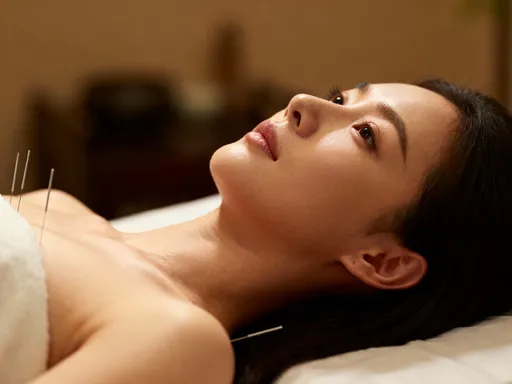
Walking into my first acupuncture appointment, I felt uneasy. The idea of tiny needles being inserted into my skin sounded intense, even alarming. I worried about pain, infection, or simply wasting my time and money. But the licensed practitioner at the clinic put me at ease immediately. She explained each step, used sterile, single-use needles, and created a calm, quiet environment. The sensation wasn’t what I expected—not sharp or painful, but more like a faint tap or a mild tingling. After 30 minutes of lying still with needles in place, I felt a deep sense of relaxation, as if my body had finally been given permission to release tension I hadn’t even realized I was holding.
My first massage session followed a similar pattern of skepticism turning into surprise. I expected a luxurious spa experience, but instead received a focused, therapeutic session tailored to my specific areas of discomfort. The therapist used firm but gentle pressure, targeting muscle knots and areas of restricted movement. Unlike casual rubs or at-home rollers, this was precise work, guided by knowledge of anatomy and healing. What stood out most was how both therapies made me more aware of my body. They didn’t just treat symptoms; they encouraged mindfulness, a deeper connection between how I moved, rested, and carried stress.
One of the most important lessons I learned early on was the necessity of working with licensed professionals. Not all clinics or practitioners are the same, and safety should never be compromised. I made sure my acupuncturist was certified by a recognized board and that the massage therapist held a valid state license. Cleanliness, clear communication, and a willingness to answer questions were non-negotiable. Starting with trusted providers helped build confidence and ensured that my journey into alternative therapies was grounded in safety and professionalism.
Understanding the Science: How These Therapies Support the Body
At first, the benefits I felt from acupuncture and massage seemed almost mysterious. How could something as simple as needles or touch lead to reduced pain and improved mobility? As I began reading more and talking to healthcare providers, I discovered there is growing scientific support for these practices. While they are not cures, they play meaningful roles in supporting the body’s natural ability to heal and regulate itself. Understanding the mechanisms behind them helped me see them not as alternative or fringe, but as complementary tools in a broader wellness strategy.
Acupuncture, for instance, is thought to influence the nervous system in several important ways. Research suggests that inserting fine needles at specific points can stimulate nerves, muscles, and connective tissue. This stimulation may trigger the release of endorphins, the body’s natural painkillers, and help regulate the autonomic nervous system, which controls functions like heart rate, digestion, and stress response. Some studies have shown that acupuncture can reduce chronic pain conditions such as lower back pain, neck pain, and osteoarthritis, though results vary from person to person. The key is consistency—a single session may offer temporary relief, but repeated treatments appear to have cumulative benefits.
Massage therapy, on the other hand, works more directly on the musculoskeletal system. One of its primary effects is improving circulation. When blood flow increases, oxygen and nutrients are delivered more efficiently to tissues, which supports healing and reduces muscle stiffness. Massage also helps break down adhesions or “knots” in muscle fibers, restoring flexibility and range of motion. Additionally, it can reduce levels of cortisol, the stress hormone, while increasing serotonin and dopamine, neurotransmitters associated with well-being. This dual action on both the body and mind makes massage a powerful tool for recovery, especially for those dealing with tension-related pain or fatigue.
Perhaps the most valuable insight is that both acupuncture and massage contribute to natural pain modulation. Instead of relying solely on medications that may carry side effects, these therapies help the body manage discomfort through its own internal systems. They do not replace medical treatment for serious conditions, but they can be effective additions to a treatment plan. For example, someone recovering from an injury might use physical therapy as the foundation, while using massage to ease muscle tightness and acupuncture to support nerve function. The goal is integration—using multiple approaches that work together, rather than in isolation.
The Missing Piece: Why Diet Matters More Than I Thought
For months, I focused almost entirely on external therapies—acupuncture, massage, stretching—without paying much attention to what I was eating. I assumed that as long as I wasn’t consuming junk food every day, my diet was “good enough.” But progress plateaued. I still felt sluggish, my recovery seemed slower than expected, and minor aches lingered. It wasn’t until a nutritionist gently pointed out the connection between food and inflammation that I began to see diet not as a side note, but as a central pillar of healing.
Inflammation is a natural response that helps the body fight injury and infection. But when it becomes chronic—often due to poor diet, stress, or lack of sleep—it can interfere with recovery and contribute to ongoing pain. Certain foods, such as those high in added sugar, refined carbohydrates, and unhealthy fats, can promote inflammation. On the other hand, whole, nutrient-dense foods can help regulate the body’s inflammatory response. This was a turning point in my understanding: healing isn’t just something that happens to the body; it’s something the body does with the raw materials we provide.
I began to view food not just as fuel, but as information for my cells. Every meal sent signals about whether to repair, rebuild, or remain in a state of stress. Processed snacks and sugary drinks, which I used to rely on during busy days, were sending the wrong messages. They caused blood sugar spikes and crashes, increased fatigue, and likely worsened inflammation. By contrast, meals rich in vegetables, whole grains, lean proteins, and healthy fats supported steady energy and tissue repair. The shift wasn’t about perfection; it was about making more informed choices, one meal at a time.
One of the most common pitfalls I encountered was emotional eating. During periods of pain or frustration, I often reached for comfort foods like cookies, chips, or frozen meals. While these offered temporary satisfaction, they didn’t nourish my body in the way it needed. Learning to distinguish between physical hunger and emotional cravings was an important step. I started keeping healthier snacks on hand—like sliced apples with almond butter or plain Greek yogurt with berries—so that when I reached for something, it still felt satisfying but also supportive of my goals.
What I Actually Eat: Simple Dietary Combinations That Helped Me
Changing my diet didn’t mean adopting a complicated or restrictive plan. I didn’t follow any trendy diets or eliminate entire food groups. Instead, I focused on balance, variety, and sustainability. My goal was to create meals that were easy to prepare, affordable, and enjoyable—because if I didn’t like what I was eating, I knew I wouldn’t stick with it. The most helpful approach was learning how to combine foods in ways that supported energy, reduced inflammation, and promoted healing.
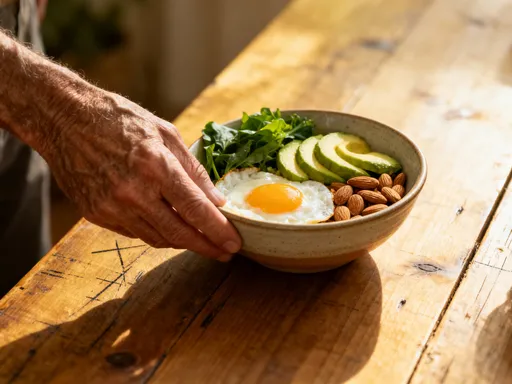
One key principle I adopted was pairing fiber-rich foods with healthy fats and protein. For example, I started eating spinach and kale salads with grilled chicken, avocado slices, and a drizzle of olive oil. The fiber from the greens supported digestion, the protein aided muscle repair, and the healthy fats helped absorb fat-soluble vitamins like A, D, E, and K. I also discovered that combining complex carbohydrates with plant-based proteins made meals more satisfying. A bowl of quinoa with black beans, roasted sweet potatoes, and steamed broccoli became a weekly favorite. It provided sustained energy without the crash I used to feel after eating white rice or pasta alone.
A typical day of eating for me now includes a breakfast of oatmeal made with unsweetened almond milk, topped with chia seeds, walnuts, and fresh blueberries. The oats provide slow-digesting carbohydrates, the chia and walnuts offer omega-3 fatty acids (which may help reduce inflammation), and the berries are rich in antioxidants. For lunch, I often prepare a large container of mixed greens with grilled salmon, cucumbers, cherry tomatoes, and a lemon-tahini dressing. Dinner tends to be simple—baked chicken or tofu with roasted vegetables and a small portion of brown rice or sweet potato. Snacks include raw almonds, carrot sticks with hummus, or a banana with peanut butter.
What made the biggest difference was consistency, not perfection. I allowed myself flexibility—if we went out to dinner or had a family celebration, I didn’t stress over every bite. The goal was progress, not perfection. I also made sure to drink plenty of water throughout the day, as dehydration can mimic fatigue and worsen muscle soreness. By focusing on whole, minimally processed foods and avoiding sugary drinks and excessive salt, I noticed improvements not just in how I felt physically, but in my overall mood and mental clarity.
Putting It All Together: My Weekly Routine as a Beginner
Once I had a better understanding of acupuncture, massage, and nutrition, the next challenge was integrating them into my daily life. I quickly realized that trying to do everything at once led to burnout. Instead, I built a manageable weekly routine that prioritized consistency over intensity. The changes were small, but over time, they added up to meaningful progress.
My current schedule includes one acupuncture session per week, usually on a Wednesday afternoon when my schedule is lighter. I’ve found that weekly sessions help maintain the benefits without overwhelming my budget or time. I also schedule two massage appointments per month, focusing on deep tissue work when needed and lighter relaxation massage in between. Between sessions, I use a foam roller at home and do gentle stretching to maintain mobility. I’ve also started preparing meals in advance on Sundays, chopping vegetables, cooking grains, and portioning out proteins so that healthy eating feels less like a chore during the week.
One of the most important shifts was learning to track progress in non-scale ways. I didn’t expect dramatic weight loss or instant pain relief. Instead, I paid attention to subtle improvements: being able to stand in the kitchen for 20 minutes without discomfort, walking up stairs without holding the railing, or waking up feeling more refreshed. These small wins kept me motivated. I also learned to listen to my body—if I felt unusually tired or sore, I gave myself permission to rest, skip a workout, or reschedule a therapy session. Healing isn’t linear, and pushing too hard often led to setbacks.
Patiently, the pieces began to fit together. The acupuncture helped regulate my nervous system, the massage eased muscle tension, and the food gave my body the nutrients it needed to repair. None of these worked in isolation, but together, they created a foundation for recovery. I didn’t need extreme measures or quick fixes. What I needed was a sustainable, balanced approach that I could maintain over time.
What I Wish I Knew Earlier: Common Mistakes and How to Avoid Them
Looking back, I made several mistakes in the early stages of my healing journey. One of the biggest was expecting fast results. I thought that after a few sessions of acupuncture or a week of eating better, I would feel completely better. When that didn’t happen, I felt discouraged. I now understand that healing is a gradual process, especially when dealing with long-standing issues. Progress often comes in small increments, and consistency matters more than intensity.
Another mistake was neglecting basic self-care habits like sleep and hydration. I focused so much on therapies and diet that I overlooked the importance of getting enough rest. Poor sleep can increase inflammation, impair recovery, and reduce pain tolerance. Once I started prioritizing seven to eight hours of sleep per night and drinking more water, I noticed a significant difference in how I felt. These simple habits amplified the benefits of everything else I was doing.
I also learned the hard way that natural methods should not replace medical advice. There was a moment when I considered stopping my prescribed treatment to rely solely on acupuncture and diet. Thankfully, I consulted my doctor first, who reminded me that complementary therapies are meant to support, not substitute, conventional care. This was a crucial reminder: healing works best when it’s collaborative. My doctor, acupuncturist, massage therapist, and nutritionist all played different but important roles. Working as a team, they helped me create a well-rounded plan tailored to my needs.
Finally, I underestimated the emotional aspect of recovery. Dealing with chronic discomfort can be isolating and frustrating. I wish I had sought support earlier—whether through a support group, counseling, or simply talking openly with family. Healing isn’t just physical; it’s emotional and mental, too. Acknowledging that has made the journey feel more complete.
Beyond My Story: How You Can Start Safely and Smartly
If you’re just beginning your own recovery journey, know that you’re not alone. Many people feel uncertain or overwhelmed when trying new therapies or changing lifelong habits. The most important step is to begin—not with a drastic overhaul, but with one small, intentional choice. You might start by scheduling a consultation with a licensed acupuncturist, swapping sugary snacks for whole foods, or booking a therapeutic massage. The key is to take that first step with care and curiosity, not pressure.
Always consult your healthcare provider before starting any new therapy or making significant dietary changes, especially if you have an existing medical condition. They can help you determine what is safe and appropriate for your individual situation. Don’t hesitate to ask questions, share your goals, and express any concerns. A good provider will listen and work with you as a partner in your health.
Remember, healing is not about achieving perfection. It’s about making choices that support your well-being, one day at a time. Some days will feel easier than others, and that’s okay. What matters is showing up for yourself, being patient, and trusting the process. Small, consistent actions—whether it’s a nourishing meal, a moment of mindfulness, or a professional treatment—can create lasting change. Your journey is unique, but with the right support and information, you can move forward with confidence and hope.