Butter Was Killing Me — Here’s How I Fixed My Body Without Starving
Living with constant fatigue, bloating, and unexplained weight gain used to be my normal — until I realized the culprit: hidden fats in my diet. I wasn’t eating junk, but my body was screaming for change. Switching to a low-fat approach didn’t mean bland meals or endless salads. It meant smarter choices, more energy, and finally feeling light. This is how I reclaimed my health — naturally, sustainably, and without extreme rules. What began as a quiet suspicion after repeated doctor visits turned into a life-changing discovery: the fats I believed were healthy were quietly undermining my metabolism, energy, and long-term well-being.
The Wake-Up Call: When My Body Started Talking Back
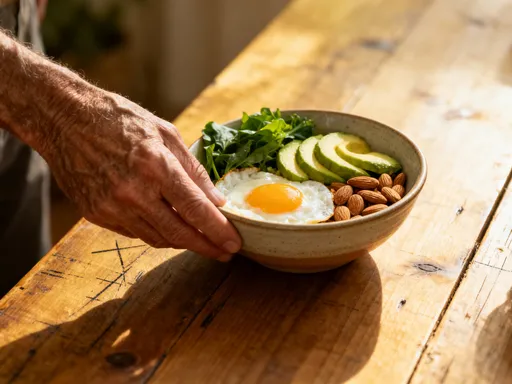
For years, I thought I was doing everything right. I avoided fast food, cooked at home, and filled my plate with what I believed were nutrient-dense foods — avocado toast for breakfast, handfuls of almonds as snacks, olive oil drizzled generously over roasted vegetables. Yet, I was constantly tired. Not the kind of tired that a good night’s sleep fixes, but a deep, persistent exhaustion that made even simple tasks feel overwhelming. I gained weight without changing my portion sizes, and my clothes fit tighter even though I wasn’t eating more. My digestion was off — bloating became so routine I stopped noticing it until it disappeared months later.
A routine blood test changed everything. My cholesterol levels were elevated, particularly LDL, the so-called “bad” cholesterol. My doctor didn’t panic, but his tone was firm: “Your numbers are heading in the wrong direction. We need to talk about what you’re eating.” I was surprised. I wasn’t consuming butter by the spoonful or frying everything in lard. But as we reviewed my diet, a pattern emerged. Fat — even the so-called “good” kinds — was everywhere. I was consuming more than double the recommended amount, not from cheeseburgers or ice cream, but from foods I considered health staples. That conversation was my wake-up call. It wasn’t about being overweight; it was about long-term health risks. Heart disease, insulin resistance, fatty liver — these weren’t distant possibilities. They were real outcomes of a diet silently overloaded with fat.
That’s when I made a decision: I would try a low-fat, whole-food, plant-based approach — not as a short-term fix, but as an experiment in sustainable wellness. I wasn’t interested in starvation or deprivation. I wanted to feel better, have energy, and support my body’s natural functions. What I discovered over the next few months wasn’t just weight loss — it was a complete transformation in how I felt from morning to night.
Low-Fat vs. Low-Quality: Clearing the Confusion
Before making any changes, I had to understand what a true low-fat diet actually means. It’s not about eliminating fat entirely — that would be both impossible and unhealthy. The human body needs essential fatty acids to function, including brain health, hormone production, and nutrient absorption. The key is the source and quantity. A low-fat diet, in the context of long-term health, focuses on minimizing added and concentrated fats while still including whole-food sources of fat like nuts, seeds, and fatty fish in moderation.
The confusion often starts with marketing. Words like “heart-healthy oils” or “natural fats” make us feel safe pouring olive oil into our cooking or spreading nut butter on toast. But the reality is that all oils — even the most praised ones — are 100% fat and extremely calorie-dense. A single tablespoon of any oil contains about 120 calories, with virtually no fiber, protein, or micronutrients. Compare that to a whole avocado, which provides the same healthy fats but also delivers fiber, potassium, and a range of vitamins. The difference is satiety: whole foods keep you full; concentrated fats do not.
Modern diets, even those labeled “clean” or “paleo” or “keto,” are often overloaded with these calorie-dense fats. Coconut oil in coffee, nut-based cheeses, avocado in every meal — these habits sound healthy, but they can easily push fat intake to 40%, 50%, or even 70% of daily calories. The body wasn’t designed to run on that much fat. Over time, excessive fat intake, even from plant sources, can lead to insulin resistance, increased inflammation, and slower metabolism. The goal isn’t fear of fat, but awareness — understanding that more isn’t always better, and that whole foods should be the foundation, not oils and butters.
Why Fat Isn’t the Only Fuel — And Why That Matters
One of the biggest misconceptions I had to unlearn was that fat is the superior energy source. Popular diets often claim that burning fat for fuel is more efficient and sustainable than using carbohydrates. But the truth is more nuanced. While the body can use fat for energy, especially during prolonged fasting or very low-carb states, its preferred and most efficient fuel for daily activity — particularly brain function — is glucose, which comes from carbohydrates.
The brain alone uses about 120 grams of glucose per day under normal conditions. When carbohydrate intake is too low, the body must convert protein and fat into glucose through a process called gluconeogenesis — a less efficient and more stressful metabolic pathway. This can lead to mental fog, irritability, and fatigue, often mistaken for “keto flu” but actually a sign of suboptimal fueling. In contrast, a diet rich in whole-food carbohydrates — like oats, sweet potatoes, brown rice, beans, and fruits — provides steady, sustained energy without the crashes associated with refined sugars.
Another myth is that carbohydrates cause weight gain. The real issue isn’t carbs themselves, but the type and context. Processed carbohydrates — white bread, sugary cereals, pastries — are stripped of fiber and nutrients, leading to rapid spikes in blood sugar and insulin. Over time, this can contribute to fat storage and insulin resistance. But whole-food carbohydrates are packed with fiber, which slows digestion, promotes fullness, and supports gut health. Studies have consistently shown that populations eating high-carbohydrate, low-fat diets — such as traditional Okinawan or rural Chinese diets — have lower rates of obesity, heart disease, and diabetes.
Furthermore, high-fat diets, particularly those rich in saturated fats, have been linked to reduced insulin sensitivity. When fat builds up in muscle and liver cells, it interferes with insulin’s ability to shuttle glucose into cells, a condition known as lipotoxicity. Over time, this increases the risk of type 2 diabetes. By shifting to a lower-fat, higher-carbohydrate diet based on whole plants, many people experience improved insulin function, better blood sugar control, and more stable energy throughout the day.
The Real Problem: Hidden Fats in “Healthy” Foods
One of the most surprising revelations of my journey was how easily fat sneaks into a diet disguised as health food. I wasn’t eating fries or cheese-laden pasta, but I was still consuming far too much fat — and most of it came from items I considered virtuous. Granola, for example, is often marketed as a wholesome breakfast, but many commercial brands are loaded with oil and sweeteners. A half-cup serving can contain 10 to 15 grams of fat — mostly from added oils — and over 250 calories. Trail mix, another go-to snack, is essentially a concentrated source of fat and sugar, with nuts and dried fruit coated in oil and salt.
Coconut milk, a staple in many plant-based recipes, is another hidden fat bomb. One cup of canned coconut milk can contain over 40 grams of fat — more than half of it saturated. While coconut has its place in moderation, using it daily in curries, smoothies, or coffee creamers can quickly push fat intake into unhealthy territory. Nut butters, though rich in nutrients, are also extremely calorie-dense. Two tablespoons of almond butter contain about 190 calories and 18 grams of fat — equivalent to a small meal, but often consumed as a “healthy” spread or dip.
Store-bought salad dressings are another major offender. Even those labeled “light” or “organic” often contain significant amounts of oil. A single serving can have 8 to 14 grams of fat. When people eat larger portions — as most do — the fat adds up fast. What feels like a healthy lunch can easily become a high-fat meal without the eater realizing it. These foods aren’t inherently bad, but their overconsumption, especially in the context of an already fat-heavy diet, creates a passive calorie surplus. Because fat is less satiating per calorie than protein or fiber, people don’t feel full — so they eat more, not out of hunger, but because their body isn’t getting the volume or nutrients it needs.
My 3-Step Shift: How I Made Low-Fat Actually Work
Transitioning to a low-fat lifestyle didn’t happen overnight, but three simple steps made the shift sustainable and effective. The first was eliminating added oils. This meant no olive oil, coconut oil, or butter in cooking. Instead, I started using water, vegetable broth, or citrus juice to sauté vegetables. At first, the food tasted different — less rich, less “coated” — but within a few weeks, my taste buds adjusted. I discovered flavors I hadn’t noticed before: the natural sweetness of onions, the earthiness of mushrooms, the freshness of herbs. Oil had been masking these subtleties, dulling my palate over time.
Step two was shifting my plate to focus on whole plant foods. I made starches like potatoes, brown rice, and whole grains the centerpiece of meals, accompanied by generous portions of vegetables and legumes. Beans and lentils became my go-to protein sources, providing fiber, complex carbs, and plant-based protein without the high fat content of animal products or processed meat substitutes. Fruits were no longer just desserts but part of every meal — bananas with oatmeal, apples with lunch, berries in smoothies. This shift wasn’t about restriction; it was about abundance. I ate more food by volume than before, yet consumed fewer calories and felt more satisfied.
The third step was relearning hunger and fullness cues. High-fat foods are hyper-palatable — they combine fat, salt, and sugar in ways that override natural satiety signals. After years of eating this way, I had lost touch with what true hunger felt like. By removing the numbing effect of heavy fats, I began to notice subtle changes in my body. I learned to eat when I was truly hungry and stop when I was comfortably full. Cravings diminished, not because I was fighting them, but because my body was getting the nutrients and energy it needed. I didn’t count calories, track macros, or weigh food — I listened to my body, and it responded with clarity and balance.
What Changed — And What Stayed the Same
The results were both immediate and profound. Within the first two weeks, my energy levels improved. I no longer needed afternoon naps or caffeine crashes. My digestion normalized — bloating disappeared, and bowel movements became regular. I slept more deeply and woke up feeling refreshed. My mood stabilized; the irritability and brain fog I once accepted as normal lifted. And while weight loss wasn’t my primary goal, it happened naturally. Over six months, I lost 18 pounds — not through restriction, but through consistent, satisfying meals that supported my metabolism.
My follow-up blood work confirmed the transformation. My total cholesterol dropped from 240 mg/dL to 180 mg/dL. LDL cholesterol decreased significantly, and triglycerides fell from borderline high to optimal range. Fasting glucose improved, indicating better insulin sensitivity. My doctor was impressed. “These are the kinds of changes we usually see with medication,” he said. “You did this with food?” I nodded. No pills, no extreme workouts — just a shift in dietary pattern.
What stayed the same was my ability to enjoy food. I still ate out, traveled, and shared meals with family. The difference was in the choices. I learned to ask how dishes were prepared, to request sauces on the side, and to focus on whole ingredients. I discovered new favorite meals: lentil soup with whole grain bread, baked potatoes with steamed vegetables, fruit-based desserts. I didn’t feel deprived — I felt empowered. The constant mental load of dieting, counting, and guilt vanished. Food became nourishment, not a source of stress.
Making It Last: Low-Fat as a Lifestyle, Not a Diet
The most important lesson I’ve learned is that this isn’t a temporary diet — it’s a sustainable way of eating. Diets fail because they rely on willpower and restriction. This approach works because it’s based on abundance, satisfaction, and long-term health. It’s not about perfection. There are days when I eat a little more fat — at a friend’s house, during travel, or simply because I enjoy a small portion of something rich. But the foundation is strong. My body knows what it feels like to be truly nourished, and that makes returning to balance easy.
Dining out doesn’t have to be stressful. I look for grilled, steamed, or roasted options instead of fried or creamy dishes. I ask for dressings and sauces on the side and use them sparingly. Many restaurants now offer plant-based, oil-free options, especially in health-conscious cities. When traveling, I pack fresh fruit, nuts in small portions, and whole grain snacks. I prioritize meals with beans, rice, and vegetables — staples in many global cuisines. Social events are easier when I focus on connection, not just food. I bring a dish to share, enjoy the company, and eat mindfully without feeling pressured to overindulge.
Sustainability comes from enjoyment, not sacrifice. I’ve learned to appreciate the natural flavors of food — the creaminess of a ripe banana, the sweetness of roasted carrots, the heartiness of a well-seasoned bean stew. Spices, herbs, vinegar, mustard, and citrus have become my flavor allies. I cook more at home, not out of obligation, but because I enjoy it. This isn’t about chasing a number on the scale or fitting into a certain size. It’s about feeling strong, clear, and capable every day. It’s about making choices today that support my health decades from now.
A Lighter Body, A Fuller Life
Looking back, the journey wasn’t about giving up butter — it was about gaining something far more valuable: vitality. The small, consistent changes I made added up to a transformation I never expected. I didn’t need extreme rules, expensive supplements, or grueling workouts. I simply realigned my eating habits with what my body truly needed. Nutrition isn’t punishment. It’s an act of self-care, a daily promise to treat your body with respect and kindness.
Everyone’s body is different. What works for one person may not work for another. That’s why it’s essential to consult a healthcare provider before making significant dietary changes, especially if you have underlying health conditions. But don’t underestimate the power of simple, whole-food choices. You don’t need a miracle cure or a trendy diet. You need real food, in its natural form, prepared with care. When you give your body the fuel it was designed to use, it responds with energy, resilience, and balance. I’m not just lighter in weight — I’m lighter in spirit, freer in movement, and more present in my life. And that, more than anything, is the greatest reward.