Timing Is Everything: A Smarter Way to Invest in Retirement Communities
What if the biggest factor in your retirement investment isn’t where you buy—but when you enter the market? I’ve seen people rush into retirement communities too early, locking in costs and missing opportunities. Others waited too long and faced limited options. Through years of watching trends, talking to investors, and analyzing cycles, I realized success isn’t about luck—it’s about timing. Let’s break down how to approach this decision systematically, avoid common pitfalls, and build long-term value. The right moment to act is not dictated by age alone, nor by emotion, but by a clear alignment of personal readiness and market conditions. When these forces converge, investors gain leverage, flexibility, and peace of mind. This article explores how timing shapes outcomes more than location or price, and how you can develop a disciplined, informed strategy to maximize your financial and personal return.
The Hidden Power of Timing in Retirement Investments
When it comes to retirement communities, most buyers focus on location, amenities, or monthly fees. But behind these visible factors lies a more powerful influence: timing. Entering the market at the right moment can mean lower entry costs, better availability, and greater negotiating power. Conversely, acting too soon or too late can result in financial strain or limited choices. Consider two real-life examples. One couple moved into a well-regarded community at age 68, drawn by early-bird incentives. They paid a substantial entrance fee, only to find their health remained strong for another decade. Their capital was tied up, limiting their ability to travel or assist family. Another individual waited until age 82, when mobility issues became pressing. By then, preferred communities had long waiting lists, forcing a rushed decision under stress.
These stories reveal a critical truth: timing is not just logistical—it’s financial and emotional. A well-timed entry preserves liquidity, maintains independence, and supports long-term planning. Systematic timing does not mean predicting market peaks or troughs. Instead, it means creating a personal framework that aligns life transitions with market opportunities. This approach avoids the extremes of impulsive action and paralyzing delay. It recognizes that retirement living is not a single purchase but a phased transition. The goal is to enter when personal needs and market conditions create favorable alignment—when the value proposition is strongest and the risks are most manageable.
Moreover, timing affects the structure of financial commitments. Many retirement communities require large upfront fees that may be partially refundable. The longer the gap between payment and utilization of services, the greater the opportunity cost. By contrast, waiting until care needs emerge can trigger premium pricing or eliminate preferred options. The ideal window often falls between full independence and acute dependency—a period when individuals can still make informed decisions but are beginning to benefit from support services. Recognizing this window requires self-awareness and forward planning. It also demands an understanding of how external conditions, such as interest rates or regional supply, influence pricing and availability.
Understanding Retirement Communities as Financial Assets
Retirement communities are often viewed primarily as lifestyle choices, but they carry significant financial weight. They function as hybrid assets that blend real estate, long-term care, and service contracts into a single investment. Unlike traditional home ownership, where value appreciation and tax benefits are clear, retirement communities operate under unique financial models that affect return on investment. These models vary widely—some charge rental fees, others require large entrance deposits, and a few offer equity ownership. Understanding these structures is essential for evaluating long-term value and risk.
The most common model is the life-care or continuing-care retirement community (CCRC), which typically involves an entrance fee ranging from $100,000 to over $500,000, followed by monthly service charges. These fees cover housing, meals, maintenance, and access to higher levels of care as needed. A portion of the entrance fee may be refundable—sometimes 80% to 90%—depending on the contract type and length of stay. While this offers some financial protection, it also means capital is locked in for years. The rate of refund, timing of disbursement, and conditions under which it applies must be carefully reviewed. For example, some contracts reduce refund percentages over time, while others base refunds on resale rather than original payment.
Monthly fees also play a crucial role in long-term affordability. These charges often rise annually, typically by 3% to 5%, though some contracts allow for larger increases based on inflation or operating costs. Investors must project these escalations over a 10- to 20-year horizon to assess sustainability. A seemingly manageable $4,000 monthly fee today could grow to $7,000 or more in two decades. This makes fee structure analysis as important as the initial cost. Additionally, some communities offer tiered care levels, with separate pricing for independent living, assisted living, and skilled nursing. Understanding how transitions between these levels are priced—and whether rates are locked in or subject to change—is vital for financial planning.
From a market perspective, resale potential is limited. Unlike traditional homes, retirement community contracts are not freely transferable. Some allow resale to new residents, but the original buyer may receive only a portion of the entrance fee, and the process can take months. Others operate on a first-come, first-served refund system, where early entrants are prioritized. This illiquidity means investors should treat the entrance fee as partially expendable. The financial return is not measured in profit, but in value received—security, care, and peace of mind. Therefore, assessing a community’s financial health, occupancy rates, and management stability becomes part of due diligence. A well-run community with strong reserves is more likely to honor its commitments over time.
Recognizing the Right Personal Triggers
While market conditions set the stage, personal readiness determines the right moment to act. Financial planning often overlooks emotional and lifestyle factors, yet these are central to a successful transition. The decision to move should not be driven solely by age or external pressure, but by a set of internal signals that indicate preparedness. These triggers include physical health, social engagement, household responsibilities, and proximity to family. When these elements shift, they create natural inflection points for reevaluating living arrangements.
Health stability is one of the most important indicators. Individuals who enjoy consistent well-being may not yet need the services offered in retirement communities, making early entry a poor use of resources. However, when minor health concerns begin to accumulate—such as reduced mobility, chronic pain, or medication management—access to on-site care becomes valuable. The goal is to move before a crisis occurs, but after the benefits clearly outweigh the costs. This proactive approach avoids emergency placements, which often lead to suboptimal choices. Tracking health trends over time, in consultation with a physician, can help identify this window.
Social needs also play a critical role. Many retirees find that living alone leads to isolation, especially after the loss of a spouse or departure of adult children. A decline in social activity, difficulty maintaining friendships, or reduced participation in community events can signal a need for a more connected environment. Retirement communities offer structured social programs, group activities, and communal dining, which support mental and emotional well-being. For some, the desire for daily interaction is as compelling as physical care needs. Recognizing loneliness as a legitimate factor in decision-making allows for a more holistic assessment of timing.
Household maintenance is another common trigger. As energy levels decline, tasks like lawn care, home repairs, snow removal, or even grocery shopping can become burdensome. The cumulative stress of managing a large home can detract from quality of life. When these responsibilities begin to feel overwhelming, rather than routine, it may be time to consider a maintenance-free alternative. This transition is not a sign of decline, but of smart resource allocation—freeing time and energy for more meaningful pursuits. Additionally, proximity to family members influences timing. Being closer to children or grandchildren can enhance support networks and reduce emergency response times. However, moving solely for proximity without considering personal fit can lead to dissatisfaction. The ideal moment balances emotional needs with practical considerations.
Mapping Market Cycles and Economic Conditions
Just as personal factors shape readiness, broader economic trends influence affordability and availability in the retirement community sector. These external forces do not dictate decisions, but they create windows of opportunity. Interest rates, real estate markets, labor costs, and regional supply-demand dynamics all affect pricing, contract terms, and service quality. Savvy investors monitor these indicators not to time the market perfectly, but to recognize favorable conditions when they arise.
Interest rates have a direct impact on financing and pricing. When rates are low, operators may expand facilities or offer more flexible payment plans, knowing that borrowing is cheaper. This can lead to increased supply and competitive pricing. Conversely, high interest rates can slow development, reduce inventory, and push prices upward. For buyers, this means that periods of rising rates may bring fewer options and less negotiation power. However, high rates can also lead to slower occupancy, creating openings in otherwise full communities. Monitoring the Federal Reserve’s policy direction helps anticipate these shifts, even if exact timing remains uncertain.
Real estate cycles also play a role. In strong housing markets, older adults are more likely to sell their homes at a profit, giving them greater purchasing power for retirement communities. This increases demand, especially in desirable areas. However, when the housing market slows, fewer people move, leading to lower occupancy in some communities. Operators may respond by offering incentives—such as reduced entrance fees, waived deposits, or free trial periods. These moments present opportunities for buyers to enter on favorable terms. Tracking local home sale trends and median prices can provide early signals of shifting demand.
Labor costs in senior care are another key factor. As wages for nurses, aides, and support staff rise, communities must adjust their pricing to maintain service quality. Regions with high minimum wages or labor shortages often see faster fee increases. Conversely, areas with stable staffing and lower operating costs may offer more predictable pricing. Investors should consider regional economic conditions when evaluating long-term affordability. Additionally, new developments can disrupt local markets. When a new community opens, existing providers may lower prices or enhance services to retain residents. Watching for construction activity or regulatory approvals for new projects can help identify these competitive shifts.
Occupancy rates serve as a real-time indicator of market balance. Communities operating below 85% capacity are more likely to negotiate terms, offer discounts, or provide added amenities. Those at or near full capacity have less incentive to compromise. Public reports, news articles, or direct inquiries can reveal occupancy trends. A dip in occupancy does not necessarily indicate poor quality—it may reflect temporary oversupply or economic downturn. For buyers, such periods offer leverage. The key is to remain informed without reacting impulsively. Systematic observation, rather than speculation, allows for disciplined decision-making.
Building a Systematic Entry Strategy
With personal and market factors in mind, the next step is to create a structured plan for entry. A systematic strategy removes emotion from the process and replaces it with clarity and control. It begins with setting decision thresholds—clear criteria that define readiness. These may include health benchmarks, financial milestones, or life events such as selling a home. By defining these triggers in advance, individuals avoid reactive choices and stay aligned with long-term goals.
The first component of the strategy is research. Creating a shortlist of preferred communities allows for ongoing evaluation. This list should include a mix of locations, models, and price points to ensure flexibility. Key factors to track include entrance fees, monthly costs, refund policies, care levels, and resident reviews. Visiting communities regularly—either in person or virtually—helps maintain familiarity and observe changes over time. Some investors schedule annual tours, treating them as part of their financial review process.
Another critical element is the trial stay. Many communities offer short-term residency options, allowing individuals to experience daily life before committing. This firsthand experience reveals aspects not evident in brochures—noise levels, staff responsiveness, meal quality, and social dynamics. A two- to four-week stay can provide invaluable insights and reduce the risk of regret. Treating this as a standard step, rather than an optional luxury, strengthens decision-making.
Scheduling regular reviews ensures the strategy remains dynamic. Every six to twelve months, investors should reassess their personal situation and market conditions. Has health changed? Have fees increased? Are new communities opening? This ongoing evaluation keeps the plan relevant and responsive. It also prevents the stagnation that comes from waiting too long. Finally, the strategy should include trigger events that initiate action. For example, “If my preferred community has an opening during a period of low occupancy, I will begin the application process.” Or, “If I sell my home and have funds available, I will reevaluate my shortlist.” These pre-defined actions turn intention into execution without haste or hesitation.
Risk Control: Avoiding Costly Mistakes
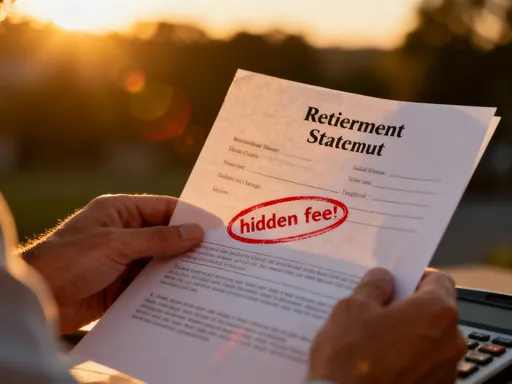
Even with careful planning, risks remain. The most common mistake is acting out of urgency—whether due to health decline, family pressure, or fear of missing out. Urgency clouds judgment and reduces negotiation power. Buyers may accept unfavorable terms, overlook contract details, or choose a community that doesn’t fully meet their needs. To prevent this, it’s essential to build safeguards into the decision process. One of the most effective is a contract review by an independent financial or legal advisor. These professionals can identify hidden clauses, fee escalation risks, or limitations on refunds and transfers.
Another frequent error is underestimating future care costs. Some contracts appear affordable at first but become expensive when higher levels of care are needed. For example, a community may offer a low rate for independent living but charge significantly more for assisted living or memory care. Understanding these tiered pricing structures in advance prevents budget overruns. It’s also important to assess the quality and availability of on-site medical services. A community may promise skilled nursing, but if it’s understaffed or overbooked, the value diminishes. Speaking with current residents and their families can provide honest insights.
Financial stability of the operator is another critical factor. Not all retirement communities are equally well-managed. Some face cash flow issues, high turnover, or declining occupancy. Researching the operator’s track record, credit rating, and regulatory compliance helps assess long-term viability. Nonprofit organizations, for instance, may have stronger reserves and mission-driven stability compared to for-profit ventures focused on short-term returns. Additionally, understanding the community’s admission and discharge policies is essential. Some contracts allow residents to stay through end-of-life care, while others require transfer to external facilities, which can disrupt continuity and increase costs.
Finally, exit strategies must be considered. Circumstances change—health improves, family support increases, or a better option emerges. Knowing how to leave the community, how much of the entrance fee is recoverable, and how long the process takes provides peace of mind. Some contracts include resale pools or reassignment programs, while others offer limited or delayed refunds. Having this information upfront allows for more confident decision-making. Risk control is not about fear—it’s about empowerment through knowledge.
Long-Term Value: Beyond the Initial Investment
The true measure of a smart investment is not the initial cost, but the sustained value over time. In retirement communities, this value extends beyond financial returns to include quality of life, adaptability, and legacy considerations. A well-timed entry sets the foundation for years of security, comfort, and independence. It allows individuals to enjoy amenities, build relationships, and access care without the stress of last-minute transitions. More importantly, it preserves dignity and autonomy during life’s later stages.
Adaptability is a key component of long-term value. Needs change, and the best communities offer seamless transitions between living levels. Moving from independent to assisted living should be a smooth process, not a crisis. Contracts that guarantee continued residency and predictable pricing support this continuity. Investors should evaluate not just current offerings, but future flexibility. Can the community accommodate advanced care? Are there waiting lists for higher levels of service? These questions determine whether the investment remains valuable over decades.
Legacy planning is another dimension. Some entrance fees can be passed to heirs, either as refunds or credits. Others may be structured to reduce taxable estate, depending on jurisdiction and contract type. Discussing these implications with a financial planner ensures that the investment aligns with broader estate goals. For some, the peace of mind provided to family members is itself a form of legacy—knowing that care is arranged and burdens are minimized.
Finally, smart timing is not a one-time decision, but an ongoing practice. Life evolves, markets shift, and new information emerges. The most successful investors remain engaged, reviewing their situation regularly and adjusting as needed. They treat retirement living not as a final step, but as a dynamic chapter in a longer journey. By combining personal awareness, market insight, and disciplined strategy, they achieve more than financial efficiency—they gain freedom, security, and confidence in their choices. In the end, timing isn’t just about when to act. It’s about building a future that reflects wisdom, preparation, and care.