How I Protected My Wealth When Sudden Illness Hit — A Real Strategy
What happens to your finances when illness strikes out of nowhere? I learned the hard way. One day I was working full speed, the next I couldn’t get out of bed. Medical bills piled up, income stopped, and panic set in. But what saved me wasn’t luck — it was a clear, practical wealth management strategy. In this article, I’ll walk you through how to prepare, react, and protect your financial life when health fails unexpectedly. This isn’t about getting rich. It’s about staying afloat when everything else collapses. The truth is, most people plan for retirement, for vacations, for their children’s education — but not for the one event that can unravel it all: sudden illness. And yet, it’s not a rare occurrence. It’s a real, tangible risk that demands a structured, thoughtful response. By sharing my journey and the financial safeguards I put in place, I hope to offer not just insight, but peace of mind. Because protecting your wealth isn’t about greed — it’s about security, dignity, and the ability to heal without fear.
The Wake-Up Call: When Health Fails and Finances Freeze
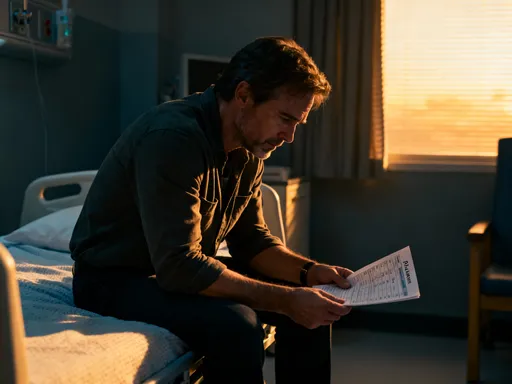
Sudden illness doesn’t announce itself with a warning. For me, it came in the form of a persistent fatigue that no amount of sleep could fix. Then came the pain, the tests, and finally, the diagnosis: a chronic autoimmune condition requiring long-term treatment and months of limited mobility. I was in my early 40s, working full-time, managing a household, and feeling financially stable. But within weeks, that stability crumbled. My income stopped the moment I went on medical leave. My employer offered a short-term disability benefit, but it covered only 60% of my salary and lasted just 12 weeks. Meanwhile, medical bills began arriving — co-pays, specialist fees, prescription costs — none of which were fully covered by insurance. The emotional toll was overwhelming, but the financial pressure was equally paralyzing. I remember sitting at my kitchen table, staring at a stack of envelopes, wondering how I would pay next month’s mortgage.
This experience forced me to confront a harsh reality: traditional financial planning often overlooks the possibility of extended health crises. We’re told to save for emergencies, invest for retirement, and avoid debt — but what happens when an emergency isn’t a car repair or a leaky roof, but a months-long inability to work? That’s when the concept of financial resilience became real to me. Resilience isn’t just about having savings; it’s about having the right kind of savings, the right protections, and a plan that works when you’re too unwell to think clearly. I realized that my emergency fund, while adequate for small setbacks, was nowhere near enough to cover a prolonged health event. I had no disability insurance beyond what my employer provided, and I hadn’t considered how medical costs could spiral even with insurance. The lesson was clear: financial security isn’t just about growth — it’s about survival.
What changed everything was shifting my mindset from reactive to proactive. Instead of waiting for another crisis, I began rebuilding my financial foundation with health risks in mind. I stopped viewing insurance as an expense and started seeing it as protection. I reevaluated my savings strategy, not just for emergencies, but for long-term disruptions. And I began designing systems that could operate even when I couldn’t. This wasn’t about becoming wealthy — it was about becoming secure. The wake-up call wasn’t just my diagnosis; it was the realization that financial health and physical health are deeply connected. One cannot thrive without the other. And in the months that followed, as I focused on healing, I also focused on building a financial shield — one that wouldn’t fail me if life threw another curveball.
Emergency Fund Redefined: Beyond Three to Six Months
For years, the standard financial advice has been to save three to six months’ worth of living expenses in an emergency fund. It’s solid guidance — but it’s designed for short-term setbacks like job loss, minor car repairs, or unexpected travel. When faced with a serious health crisis, that rule falls short. Recovery from a major illness can take months or even years. During that time, income may be reduced or absent, while medical and living costs continue. I learned this the hard way. My original emergency fund covered about four months of basic expenses — enough to handle a temporary setback, but not enough to sustain me through a long-term medical leave. Once my short-term disability ended, I had to dip into retirement savings, which triggered taxes and penalties and disrupted my long-term goals.
This experience led me to redefine what an emergency fund should be. Instead of a single pool of savings, I now structure mine in layers — a tiered system that matches the severity and duration of potential crises. The first layer is the immediate access fund: three to six months of essential living expenses kept in a high-yield savings account. This covers short-term disruptions and provides quick liquidity. The second layer is the mid-term liquidity fund: an additional six to twelve months of expenses held in low-risk, easily accessible instruments like money market accounts or short-term CDs. This layer kicks in when a crisis extends beyond the initial emergency period — exactly what happened in my case. The third layer is the protected reserve: a longer-term fund held in stable, low-volatility investments such as bonds or dividend-paying stocks. This isn’t for daily expenses, but for extended recovery periods where income may be significantly reduced for a year or more.
Building this layered fund doesn’t happen overnight, and that’s okay. The key is consistency and intentionality. I started by automating small monthly transfers into each layer, adjusting the amounts as my income and expenses changed. I also redirected windfalls — tax refunds, bonuses, or gifts — into the mid-term and protected layers. Over time, this approach reduced the stress of saving because it wasn’t about hitting a single large number, but about making steady progress across multiple goals. Another important shift was redefining what counts as an emergency. I now reserve this fund strictly for true crises — not vacations, home upgrades, or discretionary spending. This discipline ensures the money is there when it’s truly needed. By expanding the concept of an emergency fund, I’ve created a financial cushion that’s not just deep, but flexible — capable of adapting to different kinds of disruptions, especially those related to health.
Insurance: The Fine Print That Could Save You
When I first reviewed my insurance policies after my diagnosis, I was shocked by what I didn’t understand — and what I had assumed. I had health insurance through my employer, but I didn’t realize it had a high deductible and limited coverage for specialist visits and certain treatments. I also discovered that my so-called ‘comprehensive’ plan excluded several procedures that were later recommended by my doctor. Then there was disability insurance: I had assumed my employer’s plan was sufficient, but it only covered a fraction of my income and had a 90-day waiting period before benefits began. That meant three months with no paycheck — a gap my emergency fund wasn’t designed to cover. These gaps in coverage turned a difficult health situation into a financial crisis. It was a painful lesson in the importance of reading the fine print.
Not all insurance is created equal, and the difference between adequate and inadequate coverage can be the difference between stability and ruin. Health insurance is just the beginning. Equally important is disability insurance, which replaces a portion of your income if you’re unable to work due to illness or injury. Unlike health insurance, which pays for medical care, disability insurance pays you — and it’s one of the most overlooked forms of protection. There are two main types: short-term and long-term. Short-term disability typically covers 60-70% of your income for three to six months, with a short waiting period. Long-term disability can replace 50-60% of your income for several years or even until retirement, but often has a longer waiting period of 90 to 180 days. The key is to ensure the waiting period aligns with your emergency fund. If your short-term disability starts after 90 days, your immediate access fund should cover at least that long.
Another valuable tool is critical illness insurance, which provides a lump-sum payment if you’re diagnosed with a covered condition like cancer, heart attack, or stroke. This money isn’t restricted to medical bills — you can use it for living expenses, travel to treatment centers, or home modifications. While not essential for everyone, it can be a powerful supplement for those with limited savings or high out-of-pocket risks. The real danger lies in not understanding exclusions, waiting periods, and claim requirements. Many policies exclude pre-existing conditions, certain treatments, or illnesses that develop within the first year of coverage. Some require proof of continuous employment or specific medical documentation. To avoid surprises, I now conduct an annual insurance audit. I review every policy, ask for clarification on unclear terms, and compare my coverage to my current life situation. I also consult with a licensed insurance advisor every few years to ensure I’m not underinsured. Knowledge is protection — and in the world of insurance, the fine print isn’t just details. It’s your financial safety net.
Income Protection: What If You Can’t Work Tomorrow?
Losing the ability to earn is one of the most destabilizing aspects of sudden illness. For most families, income isn’t just a number on a paycheck — it’s the engine that powers everything from groceries to mortgages to children’s activities. When that engine stops, the entire financial system can stall. That’s why income protection isn’t optional — it’s essential. During my recovery, I had to confront the reality that my income was tied entirely to my ability to work. No work meant no pay. While disability insurance helped, it didn’t replace my full income, and it didn’t cover the freelance projects I had been relying on for extra cash. This gap forced me to rethink how income is generated and protected. I began exploring ways to create passive or semi-passive income streams — sources that could continue even if I was too unwell to actively manage them.
One of the most effective strategies I adopted was building a diversified income structure. This includes a mix of employer-based benefits, independent income sources, and automated revenue streams. Employer-sponsored disability plans are a good start, but they shouldn’t be the only line of defense. I supplemented mine with a private long-term disability policy that covers 60% of my income with a 90-day waiting period — perfectly aligned with my emergency fund. I also explored side income options that require minimal ongoing effort, such as rental income from a small property, dividends from a carefully selected stock portfolio, or royalties from creative work I had produced years earlier. These aren’t get-rich-quick schemes — they’re modest, reliable streams designed to cover essential expenses during a crisis.
Another important element is setting up systems that operate automatically. For example, I automated my investment contributions, bill payments, and even some freelance invoicing so that income and expenses continue to be managed even if I’m incapacitated. I also designated a trusted family member as my financial power of attorney, with clear instructions on how to access accounts and make decisions if I’m unable to. This level of preparation removes the burden from loved ones and ensures continuity. The goal isn’t to replace full-time income, but to create a financial floor — a baseline level of support that prevents total collapse. By designing an income structure that doesn’t rely solely on active work, I’ve gained a sense of security that no single job or paycheck could provide. Because when health fails, the last thing you should worry about is how to pay the bills.
Debt Management in Crisis Mode
Debt is manageable when income is steady — but when illness strikes, it can become a crushing burden. During my recovery, I faced monthly mortgage payments, credit card bills, and a car loan, all while my income had dropped by more than half. The stress of falling behind was overwhelming. I worried about late fees, damaged credit, and even foreclosure. But I also learned that debt doesn’t have to be a dead end — it can be managed, even in crisis mode. The key is to act early, communicate openly, and prioritize strategically. The first step I took was to assess all my debts: what I owed, at what interest rate, and to whom. I then categorized them by urgency — essential debts like housing and utilities versus lower-priority obligations like credit cards or personal loans.
With this clarity, I reached out to each lender to explain my situation. Many creditors offer hardship programs that allow for temporary payment reductions, deferment, or extended repayment terms. My mortgage lender, for example, approved a three-month forbearance, which gave me breathing room to stabilize. My credit card company agreed to lower my interest rate and waive late fees for a few months. These aren’t favors — they’re standard options that many people don’t know exist. The mistake is waiting until you’re already behind. By contacting lenders proactively, you show responsibility and increase your chances of getting help. I also paused all non-essential spending and redirected every available dollar toward high-interest debt, which was draining my limited resources the fastest.
Another critical step was protecting my credit score. A damaged credit history can have long-term consequences, making it harder to secure loans, rent an apartment, or even get certain jobs in the future. To avoid this, I made sure at least the minimum payments were made on all accounts, even if it meant borrowing from my emergency fund temporarily. I also set up automatic payments to reduce the risk of missing a due date. Over time, as my health improved and income resumed, I refinanced high-interest debt into lower-rate options, which reduced my monthly burden and accelerated repayment. The lesson was clear: debt doesn’t disappear during illness, but with the right approach, it can be managed without permanent damage. By treating debt as a solvable problem rather than a source of shame, I regained control — and peace of mind.
Asset Allocation for Stability, Not Just Growth
Before my illness, my investment strategy was focused on growth. I wanted my portfolio to outpace inflation, fund retirement, and maybe even leave a legacy. But when I became unable to work, I realized that growth alone wasn’t enough. What I needed was stability — assets that wouldn’t lose value during a crisis and could provide reliable access to cash if needed. This led me to rebalance my portfolio with a new priority: capital preservation. That doesn’t mean abandoning growth entirely, but it does mean shifting the emphasis. I reduced my exposure to high-volatility stocks and increased my allocation to low-risk, income-generating assets like bonds, dividend-paying stocks, and cash equivalents.
Liquidity became a key factor in my investment decisions. I needed to know that if a medical expense arose or my disability benefits were delayed, I could access funds without selling assets at a loss. To achieve this, I created a ‘buffer zone’ within my portfolio — a portion of assets held in highly liquid, low-risk instruments that could be converted to cash within days. This includes short-term bond funds, money market accounts, and a portion of my emergency fund. I also reviewed my retirement accounts to ensure they weren’t overly concentrated in a single asset class. Diversification isn’t just about spreading risk — it’s about creating options. If one part of the portfolio is down, another may be stable or even rising, providing a source of funds without panic selling.
I also began viewing my investments through the lens of health risk. Instead of asking, “What will give me the highest return?” I started asking, “What will still be here if I can’t work for a year?” This mindset shift led me to favor assets that generate passive income — like rental properties with reliable tenants or dividend stocks with a history of consistent payouts. These don’t eliminate risk, but they add a layer of resilience. I also set up automatic rebalancing to keep my portfolio aligned with my risk tolerance, even when I’m too unwell to monitor it. The goal is not to maximize gains, but to minimize losses and ensure access to capital when it’s needed most. By prioritizing stability over aggressive growth, I’ve created a portfolio that supports my health — not just my wealth.
Building Your Personal Financial Shield: A Step-by-Step Approach
Protecting your wealth from the impact of sudden illness isn’t about a single action — it’s about creating a comprehensive system. After my experience, I developed a step-by-step framework that anyone can follow, regardless of income level or current financial situation. The first step is risk assessment: evaluate your personal exposure. How likely is it that you or a spouse could face a long-term health issue? Do you have dependents? How much income would be lost if you couldn’t work? This isn’t about fear — it’s about clarity. Next, audit your current protections: emergency fund, insurance coverage, debt load, and investment strategy. Identify the gaps — where you’re underinsured, under-saved, or overexposed to risk.
The third step is prioritization. Focus on the most critical vulnerabilities first — usually emergency savings and disability insurance. Build your layered emergency fund, align it with your insurance waiting periods, and secure adequate disability coverage. Then move to income diversification: explore passive income options and set up automated systems. Address high-interest debt through refinancing or hardship programs. Finally, rebalance your portfolio to emphasize stability and liquidity. The fourth step is documentation: write down your plan, including account details, contact information, and instructions for loved ones. Store it securely and share it with a trusted person. The fifth and final step is review: revisit your plan annually, or whenever a major life event occurs. Your financial shield isn’t static — it should evolve with your life.
This approach isn’t complicated, but it requires intentionality. It’s about replacing panic with preparation, uncertainty with clarity. I didn’t build my financial shield overnight, but each step gave me more confidence and less fear. Today, I still manage my health condition, but I no longer worry that a medical setback will destroy my finances. That peace of mind is worth more than any return on investment. By taking proactive steps now, you can ensure that if illness strikes, your wealth — and your well-being — remain protected.
Wealth Isn’t Just Growth — It’s Survival
True financial success isn’t measured only by the size of your portfolio or the rate of your returns. It’s measured by your ability to withstand life’s hardest moments without falling apart. A sudden illness shouldn’t mean financial ruin. It shouldn’t force you to drain retirement savings, sell your home, or rely on family for help. With the right strategy, you can protect what you’ve built, reduce stress, and focus on what matters most: healing. The best time to act is before the storm hits — not after. Preparation isn’t pessimism; it’s responsibility. It’s the quiet, steady work of building a life that can endure. Because wealth isn’t just about accumulating more. It’s about preserving what you have — and ensuring that no matter what happens, you have the strength to move forward.