How I Survived My Worst Investment Loss — A Real Market Wake-Up Call
Losing money in the market doesn’t just hurt your wallet—it shakes your confidence. I’ve been there, staring at red numbers, wondering where I went wrong. What saved me wasn’t luck, but a shift in mindset and a closer look at what was really happening beneath the surface. This is the honest breakdown of how I turned panic into strategy, using real-time market analysis to rebuild and protect my portfolio. It wasn’t a single decision but a series of disciplined choices that brought me back from the edge of financial regret. The journey began with a painful loss, yet it led to a deeper understanding of risk, timing, and emotional control—three elements every investor must master to survive and thrive.
The Day Everything Went Red
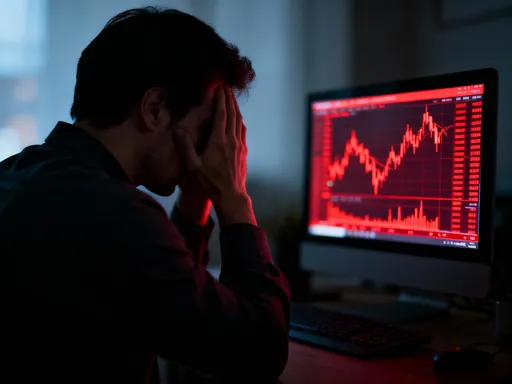
It started with a morning email from my brokerage, the kind that arrives quietly but carries a thunderclap. My portfolio value had dropped nearly 28% overnight. I sat at my kitchen table, coffee cooling, eyes fixed on the screen, trying to process what had happened. The stocks I had carefully selected just months earlier—ones I believed were solid, growing, and resilient—were now bleeding value. One tech holding, which had surged during the previous year, had lost more than half its market capitalization in a single week. I felt a knot tighten in my stomach. This wasn’t just a paper loss; it was a blow to the confidence I had built over years of reading financial news, attending webinars, and believing I understood the rules of investing.
The emotional toll was immediate and overwhelming. I found myself replaying every decision: Why did I invest so heavily in that one sector? Why didn’t I sell when the warning signs appeared? I checked my account multiple times an hour, each refresh feeding a cycle of anxiety and regret. I wasn’t alone. Studies from behavioral finance show that investors often experience a form of cognitive distortion during market downturns, where fear overrides logic and past experience becomes irrelevant. The brain treats financial loss similarly to physical pain, triggering a fight-or-flight response. In that moment, I wanted to flee—sell everything, lock in the losses, and hide from the market entirely. But something held me back: a quiet voice reminding me that impulsive reactions rarely lead to recovery.
What made this experience particularly jarring was how normal it had seemed just days before. The economy showed mixed signals—moderate inflation, steady employment, and corporate earnings that, while not spectacular, were within expected ranges. Yet, a shift in Federal Reserve sentiment, combined with geopolitical tensions abroad, triggered a broad selloff. High-growth stocks, especially in technology and consumer discretionary, were hit hardest. I realized then that even well-researched investments are not immune to systemic shocks. The market does not care about your personal timeline, your hopes, or your careful planning. It moves on collective psychology, macroeconomic data, and policy shifts—forces far beyond individual control. Accepting this was the first step toward regaining clarity.
Understanding the Anatomy of a Market Dip
To make sense of what had happened, I needed to step back and examine the mechanics behind market declines. A market dip is not a random event; it is the result of a complex interplay between investor sentiment, economic indicators, and structural forces. Corrections—defined as a drop of 10% or more from recent highs—are a normal part of market cycles. Historically, the S&P 500 has experienced a correction about once every 1.8 years. Some are short-lived, lasting only days or weeks, while others evolve into bear markets, which are defined by a 20% or greater decline. The key difference lies in the underlying cause: temporary imbalances versus fundamental deterioration.
Temporary corrections often stem from overvaluation or short-term shifts in monetary policy. For example, when interest rates rise, the present value of future earnings decreases, making growth stocks less attractive. This can trigger a rotation into more stable sectors like utilities or consumer staples. These movements are usually self-correcting, as valuations realign with economic reality. In contrast, long-term structural issues—such as a recession, banking crisis, or sustained inflation—can erode corporate profits and consumer confidence over time. These conditions require a different response, one that goes beyond waiting for a rebound.
Another important factor is sector sensitivity. Not all parts of the market react the same way to stress. Technology and discretionary stocks tend to be more volatile because their valuations rely heavily on future growth expectations. When uncertainty rises, investors discount those future earnings more aggressively, leading to sharper declines. On the other hand, sectors like healthcare and essential consumer goods are more resilient because demand remains relatively stable regardless of economic conditions. Understanding this helped me see that my portfolio’s heavy tilt toward high-growth equities had increased my exposure to volatility, even if the individual companies were fundamentally sound.
Timing also plays a crucial role. Market dips often occur when investor expectations diverge sharply from reality. For instance, if corporate earnings fall short of forecasts—even by a small margin—it can trigger a disproportionate sell-off. This is especially true in periods of low volatility, when complacency sets in and positions become overextended. Historical patterns show that many of the worst market days occur just before or during recoveries. Missing those rebound days by selling at the bottom can severely impact long-term returns. Data from major financial institutions indicates that an investor who missed the 10 best performing days in the market over a 20-year period would have seen their total return cut by nearly half. This underscores the danger of emotional timing and the importance of staying engaged, even during painful drawdowns.
Why Panic Selling Feeds the Fire
One of the most costly mistakes investors make is selling low after buying high—a pattern driven more by emotion than logic. When I felt the urge to liquidate my holdings, I was falling into a well-documented psychological trap known as loss aversion. Behavioral economists have found that the pain of losing is psychologically about twice as powerful as the pleasure of gaining. This means that a 20% loss feels significantly worse than a 20% gain feels good, leading people to take irrational actions to avoid further pain. In my case, selling would have locked in the loss, turning a temporary setback into a permanent one.
Herd mentality compounds this problem. When markets fall, media coverage intensifies, often amplifying fear with dramatic headlines and alarming commentary. Social media adds another layer, where sentiment can spiral quickly from concern to panic. I remember scrolling through financial forums and seeing posts from other investors swearing off stocks forever, convinced the system was rigged. That kind of environment makes it harder to think clearly. The instinct to follow the crowd—to sell because others are selling—feels like safety in numbers, but it usually leads to poor outcomes. Historically, the worst market bottoms have been marked by extreme pessimism, while the best buying opportunities often go unnoticed because they lack drama.
Another factor is the misperception of control. Many investors believe they can time the market—sell before a drop and buy back before the recovery. But even professional fund managers struggle with this. Studies show that the average investor underperforms the market over time, largely due to poor timing decisions driven by emotion. A report from a leading financial research group found that over a 20-year period, the average equity fund investor earned annual returns nearly 2 percentage points lower than the funds they owned, simply because they bought high and sold low. This performance gap is not due to bad funds but to bad behavior.
The alternative is not blind optimism but disciplined strategy. Instead of reacting to daily price movements, successful investors focus on long-term fundamentals: earnings growth, balance sheet strength, competitive advantages, and valuation. These factors don’t change overnight, even if stock prices do. By anchoring decisions in these principles, it becomes easier to resist the emotional pull of short-term volatility. I learned that panic selling doesn’t protect your money—it transfers it from your account to someone else’s who is willing to buy when fear is high and prices are low.
Building a Response Plan Before Disaster Strikes
One of the most valuable lessons from my experience was the importance of preparation. Just as homeowners buy insurance before a fire, investors should establish an emergency protocol before markets turn. This isn’t about predicting disasters but about creating a framework for decision-making under stress. My new approach includes clear rules for position sizing, stop-loss thresholds, and diversification—each designed to limit damage without sacrificing long-term potential.
Position sizing is the foundation. I now limit any single investment to no more than 5% of my total portfolio. This means that even if a stock drops to zero, the impact on my overall wealth is contained. This rule prevents emotional overcommitment to any one idea, no matter how promising it seems. It also allows room to average down if conditions improve, without risking financial stability. In the past, I had allowed one position to grow to over 15% simply because it kept rising. That concentration amplified my losses when it reversed.
Stop-loss logic is another key component, though I use it selectively. A stop-loss order automatically sells a stock when it falls to a predetermined price, helping to limit losses. However, in fast-moving markets, these orders can trigger at unfavorable prices, especially during gaps or flash crashes. Instead of relying solely on mechanical stops, I now use a hybrid approach: I set mental thresholds based on fundamental deterioration, not just price. For example, if a company misses earnings for two consecutive quarters or shows signs of weakening cash flow, I reassess my thesis. This allows me to act decisively without being whipsawed by short-term noise.
Diversification, often called the only free lunch in investing, is more than just owning different stocks. True diversification means spreading risk across asset classes, sectors, geographies, and investment styles. I now hold a mix of equities, bonds, real estate investment trusts, and a small allocation to commodities. Within equities, I ensure exposure to both growth and value stocks, as well as domestic and international markets. This doesn’t eliminate volatility, but it reduces the chance that a single event will devastate the entire portfolio. Most importantly, I review and rebalance this structure quarterly, ensuring it stays aligned with my risk tolerance and goals.
Reading the Market Like a Signal Map
During the crisis, I realized I had been reacting to noise rather than signals. Headlines, stock tips, and social media chatter had shaped my views more than actual data. I decided to shift my focus to real-time market analysis—interpreting economic indicators, earnings trends, and sentiment shifts in a structured way. This doesn’t require advanced degrees or complex models; it requires consistency and clarity.
I now track a handful of key indicators that provide early warnings of economic stress. The yield curve—the difference between long-term and short-term interest rates—has historically been a reliable predictor of recessions. When short-term rates exceed long-term rates (an inversion), it often signals that investors expect slower growth ahead. While not perfect, it has preceded most U.S. recessions over the past 50 years. I also monitor initial jobless claims, consumer confidence, and manufacturing activity. These don’t tell me exactly what will happen, but they help me assess the broader environment in which companies operate.
Earnings trends are equally important. I review quarterly reports not just for headline numbers but for guidance, margins, and cash flow. A company can miss earnings due to a one-time cost and still be healthy. But if multiple firms in a sector are cutting forecasts or burning cash, it may indicate deeper issues. I use aggregated data from financial reporting services to track sector-wide trends, which helps me avoid overreacting to isolated events.
Sentiment analysis is another tool. When fear dominates headlines and investor surveys show extreme pessimism, it can actually be a contrarian signal. Conversely, when optimism is widespread and margin debt is high, it may suggest complacency. I don’t base decisions solely on sentiment, but I use it as a filter to challenge my own assumptions. For example, if I feel overly confident about a trade, I check sentiment indicators to see if I’m simply following the crowd.
The Tools That Helped Me Stay Grounded
Rebuilding my confidence required more than just new strategies—it required new habits. I started maintaining a trading journal, recording every buy and sell decision along with my reasoning, emotions, and the outcome. This simple practice made me more accountable and helped me identify patterns in my behavior. I noticed, for instance, that I was more likely to take risks after a series of wins, a phenomenon known as the “hot hand fallacy.” By writing it down, I could catch myself before repeating past mistakes.
I also established a routine for portfolio reviews. Instead of checking prices daily, I set specific times—once a week and once a month—to assess performance and alignment with my goals. This reduced emotional interference and prevented overtrading. I use reliable data sources like government economic reports, central bank statements, and independent financial research platforms to inform my views. I avoid sensationalist media and unverified forums, focusing instead on facts and long-term trends.
Another powerful tool has been education. I enrolled in an online course on behavioral finance and began reading books by respected investors who emphasize discipline over speculation. One principle that resonated with me is that investing is not about being right all the time but about managing risk when you’re wrong. This mindset shift helped me accept losses as part of the process, not personal failures.
Finally, I built in accountability. I share my investment plan with a trusted friend who also invests, and we review each other’s decisions periodically. This external perspective helps me stay objective and committed to my strategy, especially during turbulent times. These tools didn’t eliminate stress, but they gave me a sense of control and direction when the market did not.
Rebuilding with Smarter Rules, Not Bigger Bets
Recovery didn’t happen overnight. It was a gradual process of rebuilding trust—in the market, in my strategy, and in myself. I didn’t try to recoup my losses with risky bets or speculative trades. Instead, I focused on consistency: following my rules, rebalancing regularly, and continuing to learn. Over time, the portfolio recovered, not because I found a magic stock, but because I avoided further mistakes.
The most important change was in my mindset. I no longer see investing as a path to quick wealth but as a long-term journey of risk management and continuous improvement. I accept that losses are inevitable, but they don’t have to be devastating. What matters is how you respond. Discipline, patience, and emotional control are not just virtues—they are practical tools that protect capital and create opportunities.
I also learned the value of adaptability. Markets evolve, and so must investors. What worked in one cycle may not work in the next. Staying informed, reviewing assumptions, and being willing to change course when necessary are essential. I now view volatility not as a threat but as a feature of the market—a mechanism that creates both risk and reward.
Looking back, I’m grateful for the loss. It was painful, but it was also transformative. It taught me that real financial resilience isn’t measured by peak portfolio value but by how well you navigate the downturns. Every investor will face setbacks. The difference between those who survive and those who don’t is not luck, but preparation, perspective, and the courage to stay the course.